
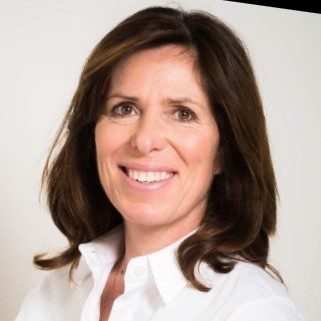

Sian Jarvis CB
New Advisor to the Curia, Health, Care, and Life Sciences Research GroupDrawing on previously unpublished diary entries from her time as Director General of Communications at the Department of Health and NHS, Sian Jarvis reflects on Andy Burnham’s leadership as Health Secretary and the qualities she believed could one day take him to Number 10. She recalls a collaborative, trusting and values-led approach, alongside a determination to pursue reform even when faced with institutional resistance.
This exclusive opinion article traces the consistency of Burnham’s thinking on prevention, social care, digital transformation, public trust, and devolution, showing how many of the ideas now associated with his leadership in Greater Manchester were already evident in Whitehall.
Jarvis also examines a central tension that could define a Burnham premiership: how to move power closer to communities while maintaining strong national standards, fairness and public confidence.
In December 2009 I wrote something in my diary that I had not looked at for years.
“He doesn’t look like a Prime Minister yet, but I believe he will be.”
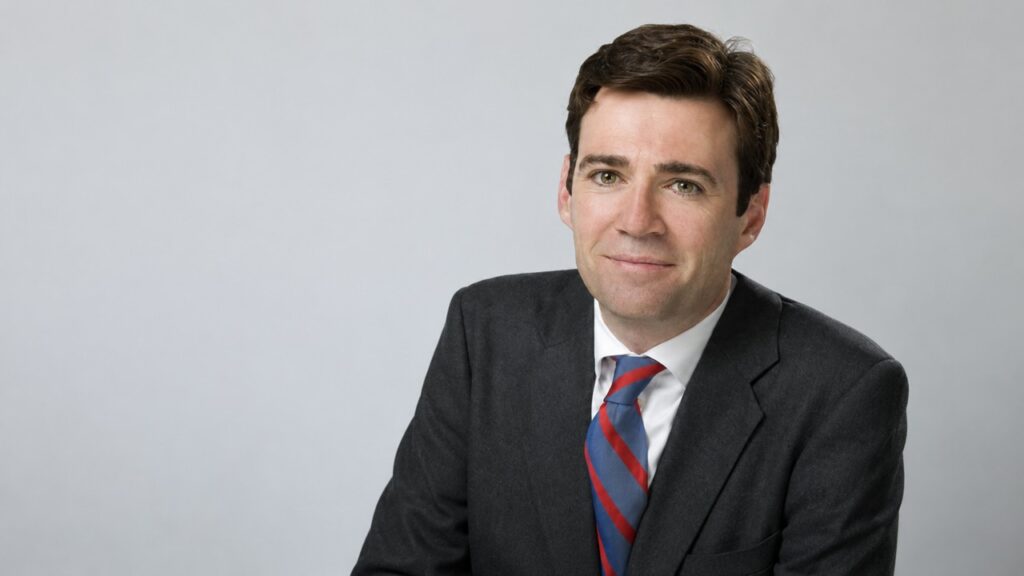
At the time, Andy Burnham had been Secretary of State for Health for just six months. I was Director General of Communications at the Department of Health and NHS, and he was the fifth and final Health Secretary I worked for.
Reading those contemporaneous notes nearly two decades later, I found myself asking a simple question: what had I seen that made me write those words?
Within weeks of his arrival I noted that he had “brought a completely different atmosphere to the place.” The Department felt kinder, more polite and more collaborative. Yes, there were new paintings on the walls and different sofas in the Secretary of State’s office overlooking Whitehall. But the real change was cultural.
Burnham listened.
Memories of His Time as Health Secretary
He thanked people. He engaged officials. He expected high standards but generally trusted people to deliver. After years of working for ministers with very different leadership styles, it was immediately noticeable. But Andy brought something different. There was a feel-good factor about the Department. People wanted to do well for him because they felt valued.
It doesn’t mean everyone agreed with him. Some found him frustratingly stubborn – while others say his views have shifted with the political winds. My diary suggests something rather different.
Looking back, what strikes me is not how much Andy Burnham has changed, but how little. They capture him thinking aloud long before prevention, devolution, and neighbourhood health became the hallmarks of what he’s done in Manchester. While his tactics changed, his core beliefs and instincts remained remarkably consistent.
The first was that successful reform depended on bringing people with him.
Andy Burnham’s Leadership Style
In one entry I made a note that he argued “we are in a different time and need a new approach to change.” He had grown sceptical of what he described as the “top down, technocratic reforms” because they had failed to bring people with them. Communications, in his view, was one of the levers of reform and a central part of policy making, and delivery.
That philosophy shaped the Government’s response to swine flu. Burnham believed public trust would come from clinicians and scientists rather than politicians. The Chief Medical Officer became the public face of the response while ministers deliberately stayed in the background. It was an early lesson in leadership: know when to lead from the front and when to let others lead for you.
Consensus mattered to Burnham, but once he believed he was right, he could be remarkably stubborn. If necessary, he was quite prepared to “stick two fingers up” to those who disagreed with him.
Passion
This was very clear during the battle to create a National Care Service. Officials argued it was unaffordable. Others believed the politics were impossible. Burnham refused to let it go. His commitment was personal, shaped by his grandmother’s experience of having to sell her home to pay for poor care, and had tears in his eyes when he told the story. After the White Paper was finally published I wrote simply: “No one in the room doubted his passion.”
His request this week for Baroness Casey to accelerate her review of adult social care suggests that determination has not diminished. Nearly two decades on, social care remains unfinished business.
The same consistency appears elsewhere in those diary entries. Long before Greater Manchester became synonymous with prevention and population health, Burnham was talking about tackling obesity, physical activity, tobacco control, and creating health rather than simply treating illness. He launched Change4Life, the campaign to tackle childhood obesity, and during a trip to the White House, presented the strategy to Michelle Obama for her own First Lady campaign. This was a social movement built around partnerships with the food industry, schools, employers, councils, and communities. He believed governments spent too much time treating illness and too little creating health.
He was equally enthusiastic about the transformational potential of digital technology in healthcare. Long before artificial intelligence entered everyday conversation, he was asking how technology could fundamentally reshape health services.
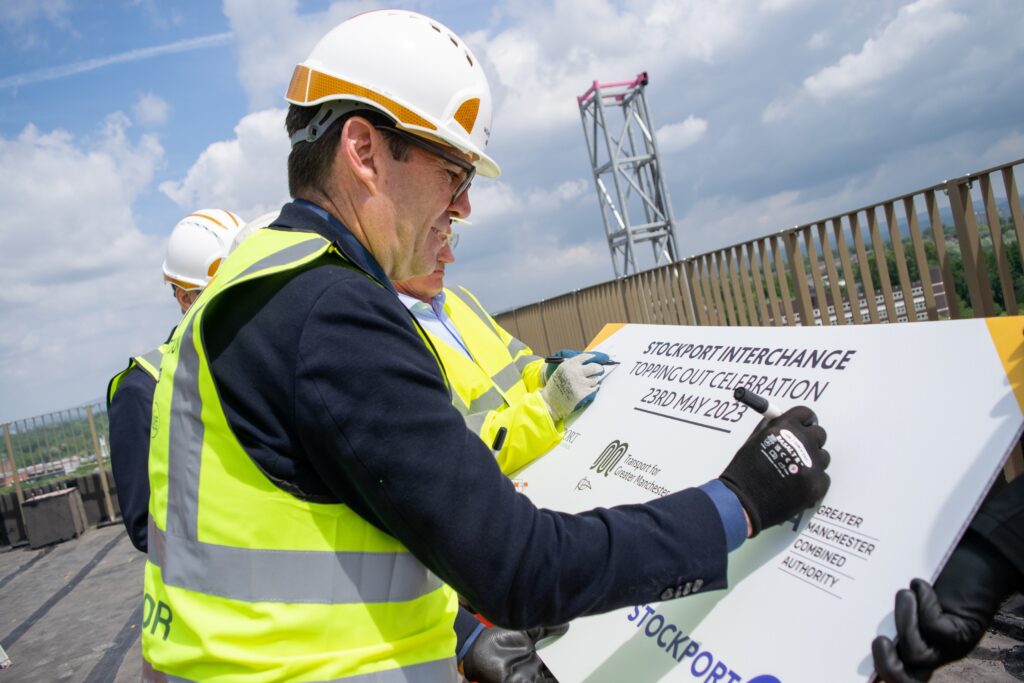
Devolution Pre-Manchester
Those beliefs help explain why he later became Britain’s best known advocate of devolution. He has spent years arguing that power should move away from Whitehall and closer to neighbourhoods, communities, and mayors.
But my diary from the swine flu pandemic also reveals another instinct. When public trust was at stake, Burnham believed government had to provide clear national leadership. I remember difficult discussions with the devolved administrations over the timing of vaccine announcements. He was prepared to face down his colleagues – insisting on a coherent national approach – because he believed mixed messages would undermine public confidence.
The same tension exists in health reform today.
Burnham has long argued that decisions should be taken closer to patients and communities. But he also knows from his time as Health Secretary that devolving power without strong national standards risks creating wider inequalities in access and outcomes. Reconciling those two instincts may become a real challenge of a Burnham premiership: how to give away power while ensuring national standards, equity, and public confidence don’t fragment with it.
When the time came to say goodbye, and Andy left the Department to begin campaigning for the 2010 election, we exchanged thank-you notes.
By then I was convinced he would one day walk through the door of Number 10, even if it would take almost two decades.
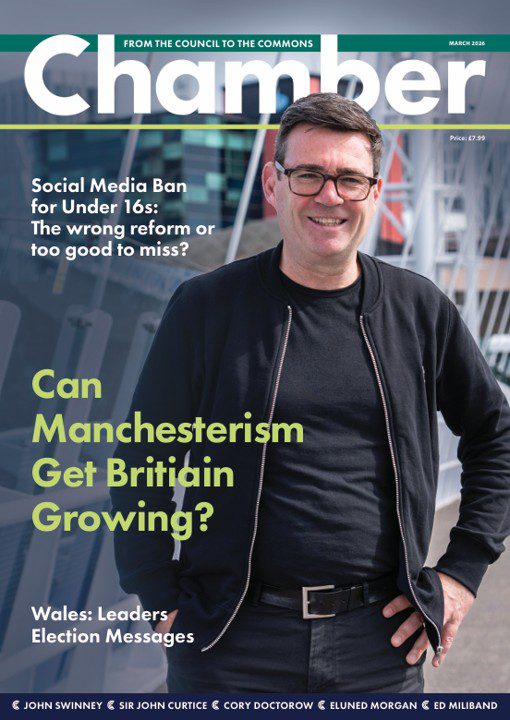
You can still get a copy of our new edition of ChamberUK. Our parliamentary journal.
Photo Credit: Department of Health – upscaled and extended by ChatGPT
Find out more about Curia’s Health, Care, and Life Sciences Research Group
Following Sian Jarvis’ appointment to Curia’s Health, Care, and Life Sciences Research Group chaired by former Minister of State at the Department of Health and Social Care, find out more about their work by contacting Partnerships Director, Ben McDermott at ben.mcdermott@chamberuk.com