

New evidence that growing numbers of women in their 20s are developing type 2 diabetes should serve as a warning to health leaders and policymakers.
Researchers at Imperial College London have identified a clear generational divide in England. While rates of new type 2 diabetes diagnoses are falling among older adults, they are increasing rapidly among people under 40, with some of the most pronounced rises occurring among women aged 20 to 29.
The study analysed National Diabetes Audit data covering England between 2011 and 2024. It found that the increase among younger adults was not confined to one ethnic community, but was particularly visible among White, Asian, and Black women in their 20s.
This matters because type 2 diabetes diagnosed at a younger age can follow a more aggressive course. Younger patients face longer lifetime exposure to the condition and an increased risk of cardiovascular disease, kidney problems, pregnancy complications, and premature death.
The findings also reinforce a central argument made repeatedly through Curia’s work, that the NHS must identify and address metabolic risk before serious, lifelong conditions become established.
Obesity Must Be Treated Before Complications Develop
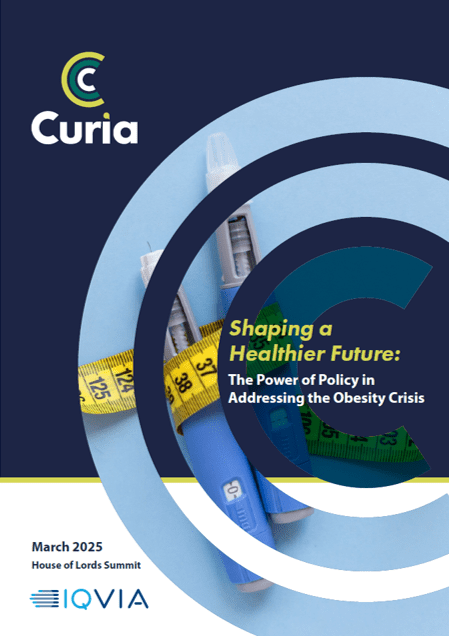
In 2025, Curia published Shaping a Healthier Future: The Power of Policy in Addressing the Obesity Crisis, following a House of Lords summit involving clinical leaders, NHS commissioners, academia, digital health providers, and the life sciences sector.
The report warned that obesity remained too often framed as an individual lifestyle concern rather than a chronic, relapsing medical condition. It described obesity as an upstream driver of type 2 diabetes, cardiovascular disease, kidney disease, and wider NHS demand.
The new evidence concerning women in their 20s illustrates why this distinction matters.
Waiting until someone develops type 2 diabetes before offering effective support is not prevention. It is delayed treatment.
Former Deputy National Medical Director at NHS England, Advisory Board member of Curia’s Health, Care and Life Sciences Research Group, and Chair of the Obesity Working Group, Professor Mike Bewick said:
“Given the rising prevalence of obesity and early-onset type 2 diabetes among young women, there is a compelling case for implementing early intervention and structured, long-term weight management strategies. Such approaches have the potential to improve individual health outcomes while reducing the broader societal and economic burden associated with obesity-related disease.”
Curia’s report called for earlier intervention for people whose health trajectory suggests they are at risk, rather than relying solely on high BMI thresholds or waiting for multiple related conditions to develop. Participants specifically argued for intervention between BMIs of 27 and 35, before conditions such as type 2 diabetes take hold.
“Obesity is not equal. We need to match interventions to risk – not just weight.”
This does not mean treating BMI as a complete measure of health or assuming that everybody living with obesity will develop diabetes. Type 2 diabetes has complex genetic, environmental, socioeconomic, and clinical causes.
It does mean recognising that severe obesity developing earlier in life can create a longer period of metabolic risk and that younger adults should not be overlooked because diabetes is still perceived primarily as a condition of older age.
Prevention and Treatment Must Be Integrated
Curia’s obesity work rejected the idea that policymakers must choose between prevention and treatment.
Its proposed model combined sustained public health measures, pharmacological treatments, digitally enabled behavioural support and community-based care. The report argued that these elements should form one integrated pathway rather than operating as separate and disconnected services.
That approach is particularly relevant to younger women, whose needs may not be met by conventional weight-management pathways designed around older populations or people who already have several long-term conditions.
“The system is intervening too late” Zoe Griffiths, Vice President of Behavioural Medicine and Registered Dietitian at Numan
Newer obesity medicines, including GLP-1 treatments, may have a role for patients who meet appropriate clinical criteria. However, medicines should not be treated as an isolated intervention or as a replacement for nutritional support, physical activity, psychological care and help with the wider circumstances affecting health.
Vice President of Behavioural Medicine and Registered Dietitian at Numan, and member of UK Healthcare and Life Sciences Innovation (UKHLSI), Zoe Griffiths said:
“The rise in type 2 diabetes among women in their twenties tells us the system is intervening too late. This mirrors exactly what we see on the ground: obesity and metabolic risk are not confined to later life, and by the time someone has a type 2 diabetes diagnosis, we have already missed the window in which intervention can prevent ill health.
“It is essential that we treat obesity as a chronic and relapsing disease that deserves both medical treatment and holistic lifestyle support. We know first-hand that sustained behavioural support that fits around someone’s life can be transformative.
“Younger women should not have to become unwell before they are able to access treatment. We have to reach people earlier, stay with them for longer and work collaboratively across public, private and community care pathways to reverse these trends.”
Curia recommended integrating medicines with properly governed digital services, coaching and sustained behavioural support. It also warned that limited NHS access was producing a two-tier system in which people able to afford private prescriptions could obtain treatment while others remained on fragmented or overstretched NHS pathways.
“We need to move from 12-week token interventions to lifelong care models.”
The report therefore proposed a ring-fenced Obesity–Cardiovascular and Metabolic Medicines Fund, modelled partly on existing medicines funds, to support equitable access, implementation, workforce training, digital integration, and real-world evaluation.
The news concerning young women makes the equity question more urgent. Access to prevention and treatment should be determined by clinical need and future risk, not by age-based assumptions, postcode, or the ability to pay privately.
Women’s Health Cannot Be Commissioned in Silos
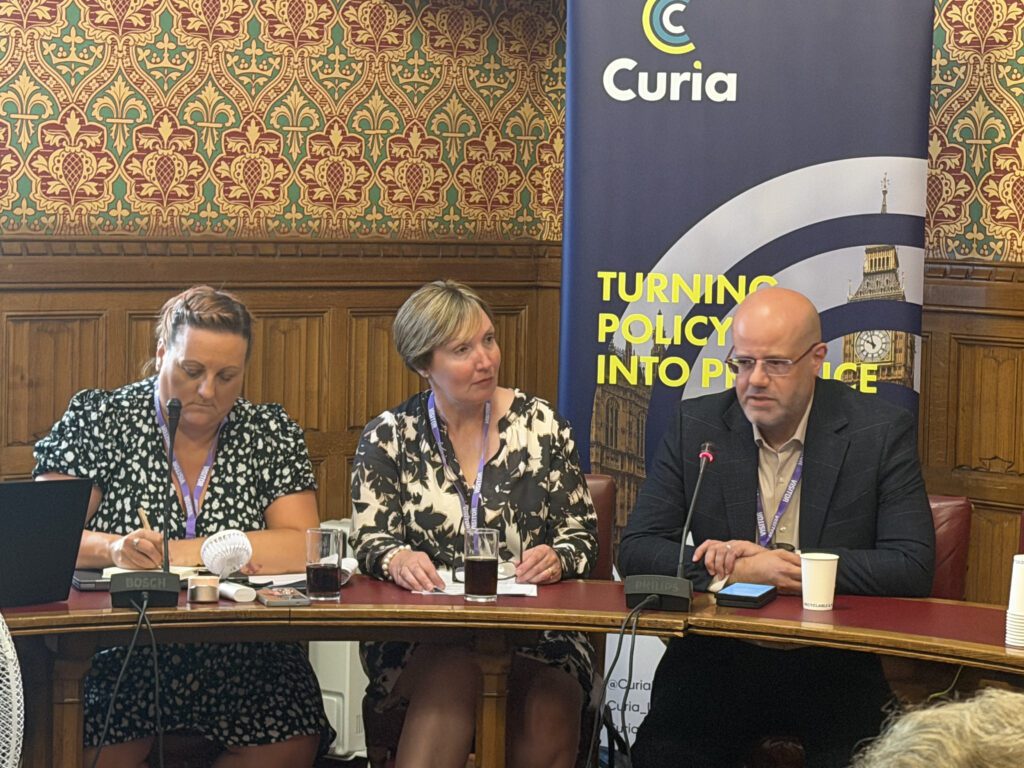
The latest findings are also relevant to Curia’s work on women’s and maternity health.
A 2025 workshop report published by Curia, focused on commissioning to reduce inequalities in women’s and maternity services, found that women’s health needs were frequently marginalised in national strategies, procurement decisions, and innovation pathways.
Participants argued that reactive and episodic care models were failing women. They called instead for preventative, community-based services that reflect women’s actual lives and responsibilities.
This is important because type 2 diabetes in women in their 20s cannot be considered solely through a diabetes service.
Women may come into contact with reproductive health, maternity, primary care, mental health, weight-management, and community services. Risk factors may include obesity, family history, deprivation, ethnicity, polycystic ovary syndrome, and a previous diagnosis of gestational diabetes.
Yet those services often operate separately, with information and responsibility lost during transitions between them.
Curia’s women’s health work recommended that commissioning move away from narrow activity measures and towards outcomes including early engagement, improved health literacy, increased trust, and better long-term wellbeing. It also called for prevention, nutrition, and self-care education to begin earlier rather than only being introduced once a condition has developed.
The rise in diabetes among women in their 20s suggests that metabolic health must become a more visible part of women’s health policy, including within primary care, reproductive health, and maternity pathways.
Gestational Diabetes Is a Missed Opportunity for Prevention
One of the clearest opportunities for earlier intervention concerns gestational diabetes.
Women who experience gestational diabetes during pregnancy face a substantially increased risk of developing type 2 diabetes later. Yet Diabetes UK has reported major inconsistencies in follow-up care.
According to the charity, only 57 per cent of women with gestational diabetes received the annual HbA1c blood test they should be offered, while only 4.5 per cent had received support through the NHS Diabetes Prevention Programme. Diabetes UK has warned that poor follow-up may be contributing to rising type 2 diabetes rates among younger women.
This is precisely the type of fragmented pathway Curia’s women’s health work has warned against.
Pregnancy creates a moment when risk can be identified and discussed. That information should follow the woman into primary and community care after childbirth, supported by reliable recall systems, annual monitoring, and straightforward access to prevention services.
Instead, women can move from intensive contact with maternity services to limited or inconsistent follow-up after giving birth.
Curia’s report recommended integrating trusted voluntary and community organisations into pregnancy pathways, commissioning accessible preventative education, and measuring whether services increase engagement among women in deprived and underserved communities.
The same principles should be applied to gestational diabetes. Women should not have to navigate the system alone or discover years later that a known risk was not followed up.
Founder and CEO of Gaston AI, and member of the UKHLSI Obesity Working Group, Dr Yogesh Gupta said:
“The rise of type 2 diabetes among women in their twenties is not simply another worrying statistic. It is strong evidence that our current healthcare delivery model intervenes too late, after metabolic risk has already become lifelong disease.
“The opportunity now is to create a national pathway for young women who are at risk, connecting maternity services, primary care, women’s health, community support and metabolic prevention into one continuous journey. A previous diagnosis of gestational diabetes, rising blood glucose, obesity, polycystic ovary syndrome or family history should not disappear into separate records. These signals should trigger sustained follow-up, personalised nutrition, clinically appropriate treatment and measurable support over time.
“The technology, data and clinical knowledge to do this already exist. What is missing is the determination to connect them around the individual. If we can turn pregnancy, early metabolic risk and primary care contact into gateways for prevention, we can change the health trajectory of an entire generation. That is how the NHS moves from managing avoidable disease to protecting decades of healthy life.”
Better Data Must Lead to Earlier Action
The Imperial study demonstrates the value of analysing health data by age, sex, and ethnicity rather than relying on broad population averages.
Curia has previously called for population health data to be disaggregated by gender, ethnicity, deprivation, and geography in women’s health commissioning plans.
Age must now be treated as an equally important dimension.
A stable national diabetes rate can conceal falling incidence among older adults and a rapid increase among younger women. Similarly, broad labels such as “under 40” may obscure important differences between teenagers, women in their 20s and those in their 30s.
Integrated Care Boards should therefore be expected to identify local patterns of early-onset type 2 diabetes, obesity, pre-diabetes, and gestational diabetes. They should examine how these patterns interact with ethnicity, deprivation, geography, and access to services.
Curia’s obesity report proposed using linked population data, clinical history, and risk indicators to identify people who may benefit most from earlier support. It also recommended digital triage routes that could direct patients towards primary care, community services, digital providers, or specialist treatment according to their needs.
The purpose of better data must not simply be to describe an emerging crisis more accurately. It must trigger intervention.
Turning the Warning into Action
The increase in type 2 diabetes among women in their 20s is not an isolated clinical trend.
It reflects a combination of earlier severe obesity, gaps in preventative services, unequal access to treatment, inconsistent follow-up after pregnancy and health systems that still struggle to join up women’s care across different stages of life.
For UKHLSI, the findings reinforce the need to connect obesity policy more closely with women’s health, primary care and long-term condition prevention.
Joanne Bekis, Chief Executive of UKHLSI, said:
“Young women are increasingly developing conditions once associated with later life. The rise in type 2 diabetes among women in their twenties is a clear signal that we must rethink how we approach obesity, prevention and women’s health.
“Through the UKHLSI Obesity Working Group, we are bringing together leaders from healthcare, life sciences, policy and patient communities to develop practical solutions that identify risk earlier, integrate care more effectively and ensure people receive the right support before serious complications develop. We must move from reacting to disease to preventing it.”
Curia’s previous work points towards a practical response:
- recognise obesity as a chronic, relapsing condition and reduce stigma;
- identify metabolic risk earlier, before type 2 diabetes develops;
- integrate prevention, digital support, community care and appropriate medicines;
- provide consistent follow-up after gestational diabetes;
- commission women’s health services around long-term outcomes rather than isolated episodes;
- analyse data by age, sex, ethnicity, deprivation and geography;
- ensure access is based on clinical need rather than postcode or ability to pay.
The evidence is becoming clearer. The age at which serious metabolic illness develops is falling, and young women are increasingly carrying risks once associated predominantly with later life.
The NHS should not wait for this generation to develop decades of avoidable complications before redesigning care.
Next steps
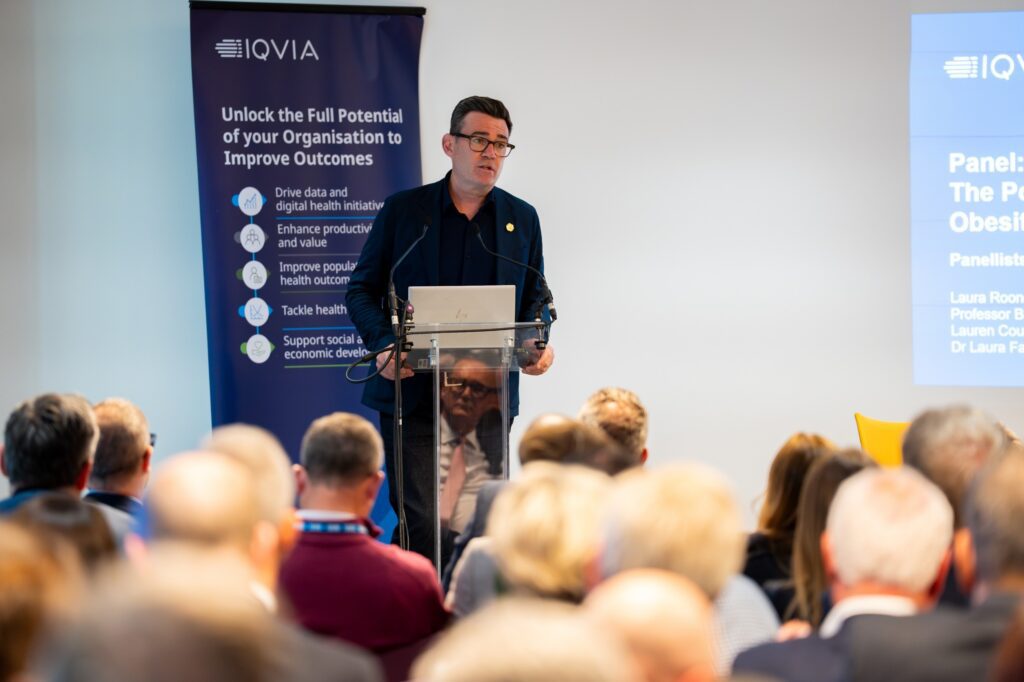
Curia is pleased to continue their work on obesity working in partnership with UK Healthcare and Life Sciences Innovation (UKHLSI) and the Obesity Working Group, formed following the second Parliamentary Obesity Summit in the House of Lords in June.
To find out more about the Obesity Working Group and UK Healthcare and Life Sciences Innovation (UKHLSI), please contact Partnerships Director, Ben McDermott at bmcdermott@ukhlsi.co.uk.