
The UK Government has published refreshed physical activity guidelines that place renewed emphasis on one of the most accessible interventions available to improve public health: moving more.
The updated guidance from the UK Chief Medical Officers (CMOs) confirms that existing activity targets remain appropriate while reflecting the latest scientific evidence on sedentary behaviour, light-intensity movement, strength and balance activities, and the health benefits of incorporating physical activity into everyday life. It also recognises the growing importance of maintaining muscle strength for people taking GLP-1 medicines for diabetes and weight management.
Published by the Department of Health and Social Care, the guidance supports the Government’s ambition to shift healthcare from treating illness towards preventing it. Its central message is simple: meaningful improvements in health begin with movement, and every movement counts.
Prevention begins with everyday movement
Rather than focusing solely on structured exercise, the refreshed guidance encourages people to build activity into daily routines through walking, wheeling, cycling, gardening, active play, household tasks and using the stairs.
The evidence shows that the greatest gains in health come when inactive people begin moving, even if they initially fall short of the recommended 150 minutes of moderate activity each week. The updated recommendations also place greater emphasis on reducing prolonged periods of sitting and making strength and balance exercises part of everyday life, particularly as people grow older.
The UK’s four Chief Medical Officers – Professor Chris Whitty, Professor Michael McBride, Professor Gregor Smith and Professor Isabel Oliver – said:
“Evidence continues to show that if physical activity were a drug, we would refer to it as a miracle cure, due to the great many illnesses it can prevent or treat.”
They added that even small amounts of activity produce important health benefits compared with none, while stronger evidence now supports maintaining strength and balance throughout life, including for people using GLP-1 medicines.
Physical activity is central to the prevention agenda
The updated guidance reflects a broader shift in health policy towards preventing illness before it develops, reducing pressure on the NHS while helping people live healthier and more independent lives.
Physical activity is already recognised as reducing the risk of cardiovascular disease, type 2 diabetes, obesity, some cancers and poor mental health. However, the refreshed guidance moves beyond traditional exercise advice by emphasising that small, achievable changes can make a measurable difference.
The publication also arrives as the NHS continues to expand the use of GLP-1 medicines for obesity and diabetes. While these medicines represent a significant advance in treatment, the guidance reinforces that medication alone is not enough. Strength-building activities are increasingly recognised as essential to preserve muscle mass, maintain mobility and support long-term health outcomes.
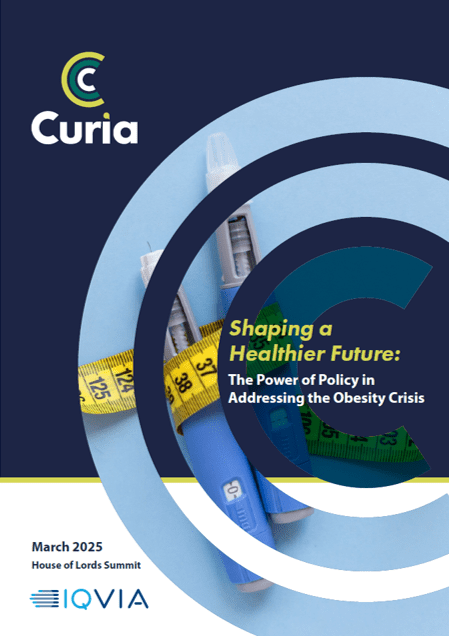
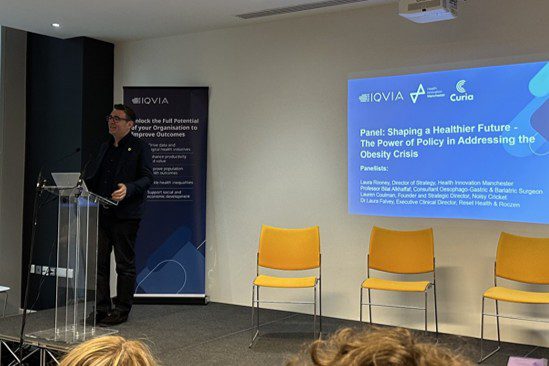
This reflects wider discussions across the health sector that obesity should be addressed through integrated prevention, treatment and long-term support rather than isolated interventions. Speakers at UK Healthcare and Life Sciences Innovation’s recent Obesity Summit argued that obesity is a complex, long-term condition requiring coordinated action across healthcare, public health, communities and industry, with physical activity forming one element of a whole-person approach to improving health.
A holistic approach to healthier lives
Jo Bekis, Chief Executive of UK Healthcare and Life Sciences Innovation (UKHLSI), welcomed the updated guidance and its emphasis on sustainable lifestyle change.
She said:
“The refreshed UK Chief Medical Officers’ guidelines reinforce a simple but powerful message, that small amounts of physical activity can deliver meaningful physical and mental health benefits.
“This evidence-based approach will help encourage healthier habits, reduce inactivity and support wellness. Physical activity is one element of a holistic approach to a healthier lifestyle.”
Her comments reflect a growing consensus that improving population health requires more than individual interventions. Better nutrition, physical activity, mental wellbeing, community support and earlier prevention all have a role to play in reducing health inequalities and supporting healthier lives.
Supporting people where they are
The updated guidance recognises that encouraging people to become more active depends on making movement easier and more accessible within everyday life.
That mirrors discussions held at UKHLSI’s Obesity Summit, where leaders argued that health services should increasingly reach people within workplaces, neighbourhoods and trusted community settings, rather than relying solely on traditional clinical environments. Community organisations, local authorities, employers and voluntary groups all have an important role in helping people adopt healthier lifestyles before long-term illness develops.
Alongside the refreshed guidance, the Department of Health and Social Care has released updated communications resources to help organisations across health, education, local government, sport and the voluntary sector promote the recommendations consistently.
Organisations welcome the refreshed guidance
Public Health Minister Sharon Hodgson said:
“Being physically active is one of the simplest ways people can improve both their physical and mental health.”
She added that the updated guidance provides clear, evidence-based advice to help people make movement part of everyday life, encouraging families to use the summer holidays as an opportunity to build healthier habits.
Chris Boardman, Chair of Sport England, described physical activity as:
“One of the closest things we have to a wonder cure.”
He said making activity easier and more enjoyable, particularly for those who are currently least active, has the power to strengthen individuals, communities and the nation.
Paul Farmer, Chair of the Richmond Group of Charities and Chief Executive of Age UK, welcomed the emphasis that any activity is better than none.
He said:
“This is so important to people with long-term health conditions, who are one of the least active groups, yet have the most to gain in health benefits from physical activity.”
Andy Taylor, Chief Executive of the Active Partnerships National Organisation, highlighted the importance of understanding the barriers communities face.
He said:
“The greatest opportunity lies in supporting those people who are currently the least active.”
Dr Natasha Jones, President of the Faculty of Sport and Exercise Medicine, welcomed the stronger emphasis on reducing sedentary behaviour.
She said:
“This new guidance… highlights the importance of reducing time spent sitting.”
Cameron Saunders, Chief Executive of ukactive, said:
“Physical activity is the foundation of preventing ill health and improving our nation’s wellbeing.”
He also highlighted the importance of strength activities for people using obesity medicines, noting that maintaining muscle strength is essential for long-term health.
Meanwhile, Cllr Dr Wendy Taylor MBE, Chair of the Local Government Association’s Health and Wellbeing Committee, said:
“The message that any movement is better than none is one councils can build on.”
She highlighted the important contribution of parks, leisure centres, walking routes and local authority falls prevention services in helping people remain active throughout life.
Turning activity guidelines into action
The refreshed guidelines do not introduce new activity targets. Instead, they reinforce the evidence behind recommendations first published in 2019 and strengthen the case for embedding movement within everyday life.
For policymakers, NHS leaders, local government and employers, the challenge now is translating the guidance into meaningful action. That means creating environments where physical activity is not only encouraged but genuinely accessible through safe neighbourhoods, active travel, community facilities, workplace wellbeing initiatives and personalised support.
Emmerline Irving, Chair of the UKHLSI Obesity Working Group and Founder and Chief Executive of We Are ATR, welcomed the updated guidance but said implementation must recognise that not everyone has the same opportunity to be active.
She said:
“We welcome the refreshed UK Chief Medical Officers’ physical activity guidance and its clear message that every movement counts. Physical activity is one of the most important protective factors for good health across the life course.”
Irving cautioned that physical activity should never become another way of blaming or shaming people living with obesity or long-term health conditions, noting that poverty, disability, trauma, caring responsibilities, inaccessible environments and wider health inequalities can all affect whether movement feels possible or safe.
She added:
“The real opportunity now is to match the message that every movement counts with the investment, infrastructure and personalised support needed to ensure that every person counts too.”
Her comments reflect a growing consensus that improving population health requires more than encouraging individual behaviour change. It also depends on creating safe, inclusive and affordable opportunities for movement, while ensuring physical activity sits alongside clinical care, mental wellbeing, nutrition and community support as part of a genuinely whole-person approach to health.
Get involved with the UKHLSI Obesity Working Group
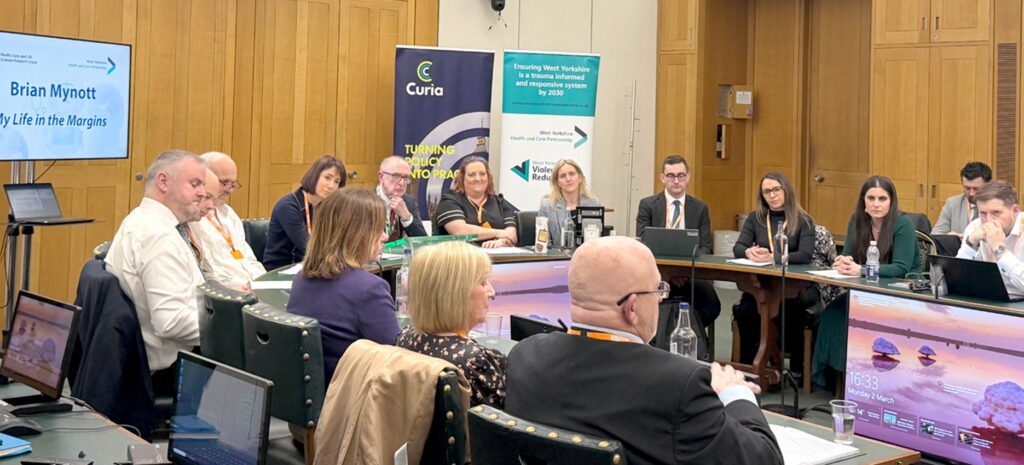
Building on the momentum of its recent parliamentary Obesity Summit, UK Healthcare and Life Sciences Innovation has launched the Obesity Working Group, chaired by Emmerline Irving, Founder and Chief Executive of UKHLSI members, We Are ATR.
The Working Group brings together NHS leaders, public health professionals, local government, researchers, innovators, industry, voluntary organisations and people with lived experience to develop practical solutions that improve obesity prevention, treatment and long-term outcomes.
Its programme of work focuses on trauma-informed pathway design, workforce development, commissioning support, innovation adoption and integrated models of care that address obesity as a whole-person, whole-system challenge.
Organisations interested in contributing to this national programme, sharing best practice or helping shape future policy and delivery are encouraged to contact UK Healthcare and Life Sciences Innovation to find out more about joining the Working Group.
To find out more about the working group, please email: enquiries@ukhlsi.co.uk