
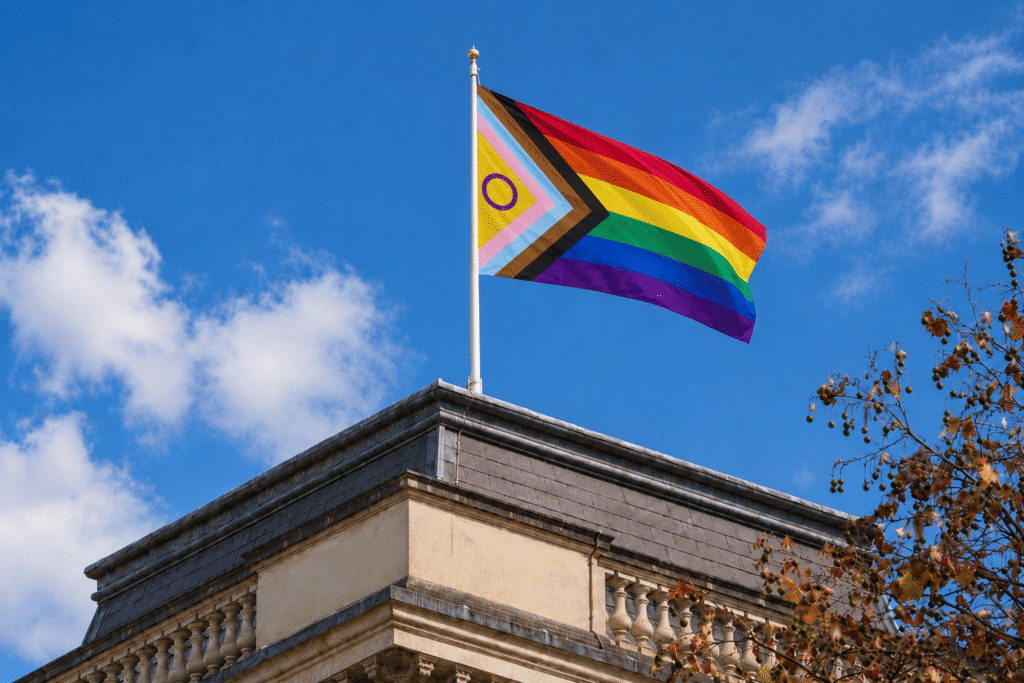
As part of operation Starmer-legacy, the Government has finally published a draft Bill to ban conversion practices, almost eight years after Theresa May’s administration first promised action following media investigations into so-called “conversion therapy”.
The draft Conversion Practices Bill would apply in England and Wales and is intended to criminalise abusive conduct that seeks to change a person’s sexual orientation or transgender identity. Those found guilty could face unlimited fines and prison sentences of up to five years.
For LGBT+ campaigners, this is a long-awaited moment. The pledge has survived years of political delay, consultation, disagreement and repeated changes of direction. What was once presented as a relatively straightforward safeguarding reform has become one of the most contested pieces of equalities legislation in recent years.
The Government now faces a difficult parliamentary test: how to protect people from serious abuse while giving clear reassurance that legitimate healthcare, family conversation, counselling, pastoral care, and religious practice will not be wrongly criminalised.
What the draft Bill would do
The legislation would, for the first time, define conversion practices in law. Its focus is expected to be on abusive acts that aim to change someone’s sexual orientation or transgender identity and cause serious harm, alarm or distress.
Two new criminal offences are expected. The first would cover the carrying out of abusive conversion practices. The second would cover encouraging or assisting someone to undergo conversion practices outside England and Wales, reflecting concerns that some people may be pressured or taken abroad.
The Bill would also introduce civil protection powers, known as Conversion Practice Protection Orders. These are designed to protect people considered to be at risk before further harm occurs.
Ministers are seeking to present the draft law as tightly drawn. The argument from government is that existing criminal law does not adequately address the specific nature of conversion practices, particularly where pressure is applied through family, faith, community or authority relationships.
Cannock Chase MP, and opponent of conversion therapy practices, Josh Newbury told Politics UK “I am delighted to see that the draft Conversion Practices Bill has been published. This has been a long time coming and I know that many LGBT+ people and allies in my Cannock Chase constituency and across the country have felt disappointed that it has taken this long. But I also know that the Minister Olivia Bailey, and her predecessor Dame Nia Griffith, pushed hard for this to progress and for it to be a workable law which will protect all LGBT+ people from this vile abuse.
“This Bill will do what the Conservatives once said they would do but never did by filling a huge gap in the law that allows the practice of so-called ‘therapy’ that attempts to warp a person’s sense of identity and unnaturally alter it. We know the immeasurable and lifelong damage this can cause, so the day we see the back of these practices cannot come soon enough.”
However, he warned “we cannot afford to rush this. We have one chance to put in a workable, watertight ban on conversion practices and members of both Houses of Parliament must carefully work on this bill to make sure we get it right.”
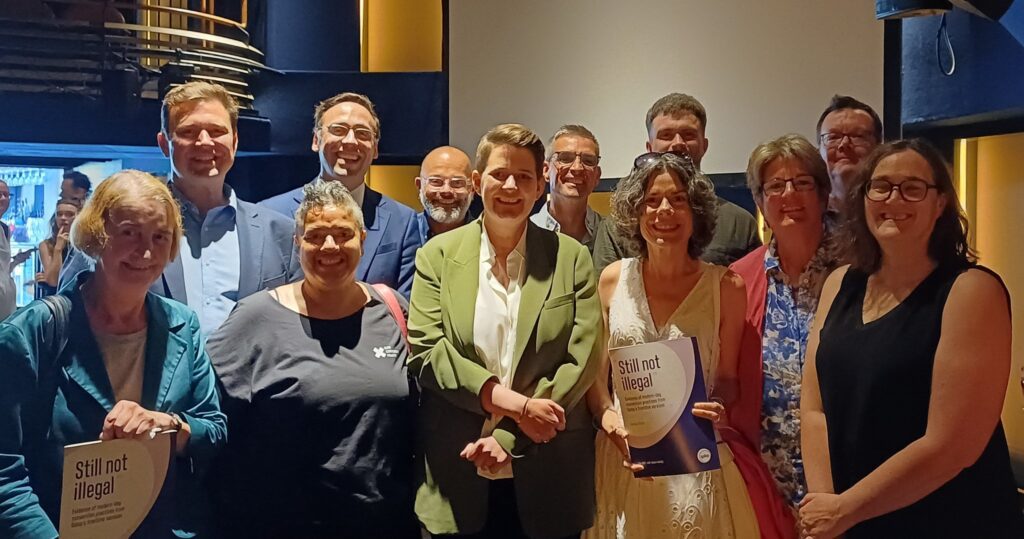
Campaigners welcome the Conversion Practices Bill but warn on the detail
For those who have campaigned for a ban for years, publication of the draft Bill marks a major moment after years of delay. Jayne Ozanne OBE, a leading campaigner for a ban on conversion practices, said on X she was “delighted and relieved” that a draft Bill had finally been brought forward.
“I am delighted and relieved that after eight long years we finally have a draft bill to ban the terrible scourge of conversion practices, which is far more prevalent in our society than many would choose to believe. It is particularly poignant to me that it comes the day after my investiture for my OBE at Windsor Castle, where HRH the Prince of Wales expressed his deep concern with me at the fact this was still happening in the UK.
“The devil as always is in the detail, and I remain concerned as to whether the ban will fully cover ‘praying the gay away’ and the thorny issue of consent. I myself willingly consented to years of prayer by loving friends who were keen ‘to help me lead a Godly life’ by trying to make me straight. The emotional toll of it all nearly killed me. It is particularly damaging to young and vulnerable LGBT+ people who want to please their family and religious leaders by consenting to these practices.”
Her comments go to the heart of the coming debate. The Government wants to ensure the law prohibits the most extreme and abusive practices. However, the question is whether Parliamentarians allow practices that are presented as consensual, spiritual or supportive, but which campaigners argue can still cause profound harm, especially where young or vulnerable people feel pressure to conform to family or religious expectations.
Why the Government says action is needed
The case for legislation rests on the view that conversion practices are not simply difficult conversations or unwanted advice, but forms of coercion and abuse that can cause lasting psychological harm.
Evidence on prevalence is difficult to establish. The Government’s 2018 LGBT Survey found that some respondents had either been offered or undergone conversion therapy, although the survey did not define the term in detail. More recent charity evidence has highlighted reports of coercive and controlling behaviour, physical violence, sexual violence, religion-based practices, forced marriage, and people being taken abroad.
Supporters of a ban argue that LGBT+ people should not be subject to attempts to change who they are, particularly when those attempts are carried out by people in positions of trust or power. They also argue that without a specific offence, harmful practices can fall between existing legal categories.
For them, the publication of the draft Bill is less a new policy announcement than the fulfilment of a long-standing promise.
The trans question will dominate scrutiny
The most intense parliamentary debate is likely to focus on how the Bill applies to trans people and gender identity.
Previous attempts to legislate became politically difficult because of concerns over whether a ban could affect exploratory conversations with children and young people experiencing gender-related distress. That debate has become sharper following the Cass Review and wider scrutiny of children’s gender identity services.
The Government says the Bill will include protections for legitimate healthcare and will set a high threshold for criminality. That distinction will be central. Clinicians, therapists, and safeguarding professionals will need to know that careful, evidence-based assessment is protected. At the same time, campaigners will want assurance that the inclusion of transgender identity is meaningful and not weakened to the point that it fails to protect those at risk.
This is where the legislation will need to be particularly precise. The law must distinguish between abusive attempts to change identity and lawful, supportive, professional exploration of distress, uncertainty or clinical need.
Religion, prayer and consent
The other major area of debate will be religion.
Some faith groups and legal campaigners argue that a ban could restrict prayer, pastoral support or religious teaching, even if the Government insists the Bill is aimed only at abusive conduct. They warn of a chilling effect, where clergy, counsellors or faith leaders avoid sensitive conversations for fear of legal consequences.
Supporters of the Bill respond that religious freedom should not protect coercion, humiliation, threats or practices that cause serious harm. They argue that the law can and should protect freedom of belief while making clear that abuse is not acceptable in any setting.
The issue of consent may prove especially difficult. Many survivors describe having agreed to conversion practices at the time, often because they trusted religious leaders, wanted to please family members or believed that changing their sexuality or gender identity was necessary to be accepted. Parliament will need to decide how the law should treat consent where there is a strong power imbalance or emotional pressure.
A law that must be clear enough to work
The decision to publish a draft Bill and send it through scrutiny is important. This is legislation that requires careful testing before it reaches the statute book.
MPs and peers will need to hear from LGBT+ organisations, survivors, faith groups, clinicians, therapists, parents, legal experts, safeguarding specialists and equality bodies. The key questions that will undoubtedly be debated include what counts as an abusive act, how serious harm is proven, how protection orders will operate, and how police and prosecutors will apply the law in private, family, religious or therapeutic settings.
There will also need to be clarity on what the Bill does not do. Without that, the risk is that supporters and critics talk past each other, with one side seeing only the need for protection and the other seeing only the risk of overreach.
The real test for ministers
As outgoing Prime Minister, Sir Keir Starmer will want to present the Bill as a decisive step in protecting LGBT+ people from harm after years of delay. Campaigners will welcome movement after an eight-year wait. Opponents will prepare to challenge the detail, and potentially the law itself.
The principle of preventing abuse may command broad support. The harder question is whether ministers have drafted a law that can survive the pressures around gender identity, religious practice, consent, family life, and clinical judgement.
That is now the test. A successful ban must be strong enough to protect people from genuine harm, but clear enough not to criminalise legitimate care, support or conversation.
After years of delay, the Government has finally put a draft Bill on the table. The political battle now moves from whether a ban should exist to how far it should go, who it should protect, and where the legal boundaries should be drawn.
To find out more about Curia’s work on LGBT+ service provision, click here.
You can still get a copy of our new edition of ChamberUK. Our parliamentary journal.
Photo Credit: FCO with edits by ChatGPT