


Tanya Arnold
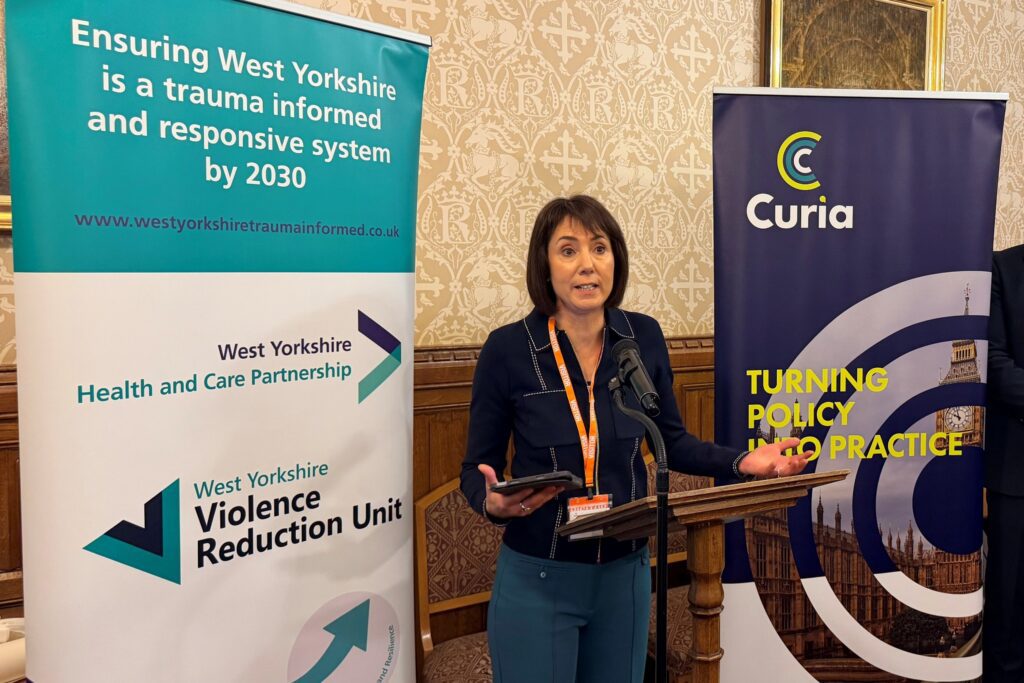
Event Host, Facilitator, Podcast Presenter, Coach and MentorFollowing the Trauma Summit in the Houses of Parliament, Tanya Arnold argues that the evidence for trauma responsive practice is already clear, and that the task now is to move from local pilots to system-wide implementation across public services. (Image: Tanya Arnold introduces presenters from across the North of England at the House of Lords showcase)
If we understand trauma, and if we respond to it properly, we can change lives.
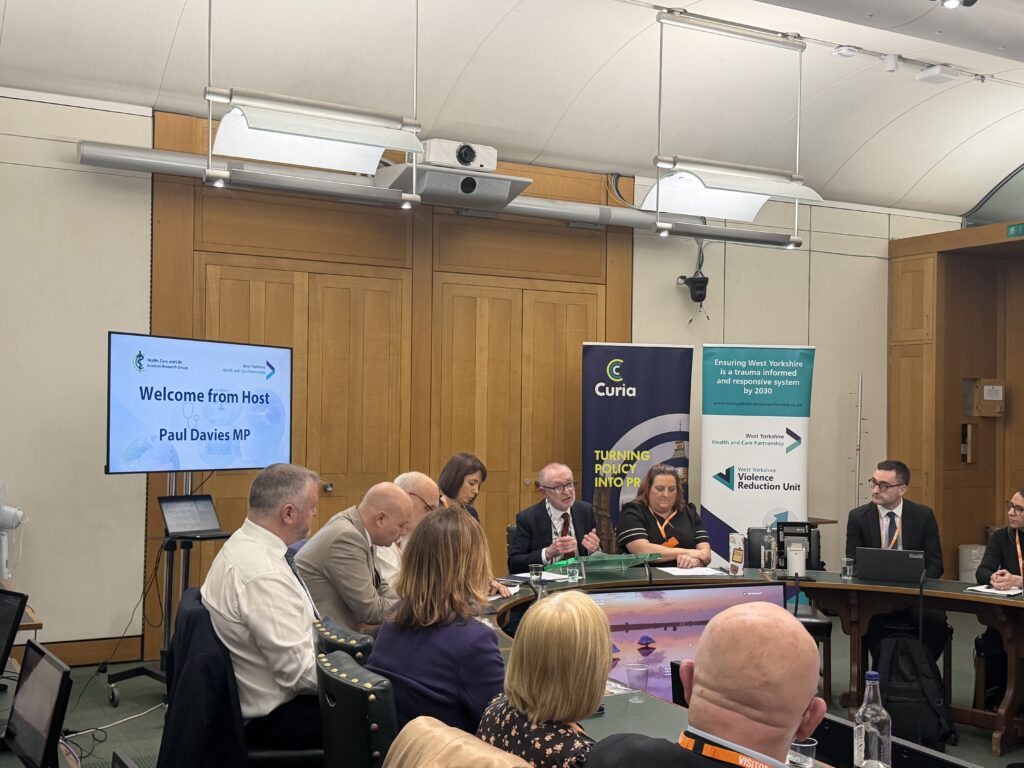
That was the simple but powerful message running through the parliamentary roundtable and reception captured in Curia’s latest report, Building a Trauma Responsive Nation. Throughout the discussions, we heard personal testimony, compelling evidence and practical examples of change already taking place across communities, public services and regions.
Together, they told a clear story. Trauma responsive practice is not a marginal issue affecting a small group of people. It is a widespread reality that shapes health, education, behaviour, relationships, and life chances across our society.
From Awareness to Action
One of the strongest messages from the discussion was that trauma responsive practice is not about one service or one intervention. It is about culture, relationships and systems.
It is about how public services work together, how organisations treat their staff, how people are supported, and how communities are involved in shaping the answers. Again and again, we heard that the shift required is from asking, “What is wrong with you?” to asking, “What has happened to you?”
That shift sounds simple. In practice, it requires real change across systems, structures, and professional cultures.
It also means moving beyond awareness. We already know a great deal about trauma, adversity, and resilience. We know the impact of adverse childhood experiences. We know the links between trauma and mental health, physical health, education, employment and contact with the criminal justice system. We know that early intervention, trusted relationships and community support can alter life trajectories.
The question now is not whether trauma responsive practice matters. The question is how we make it consistent, scalable, and embedded.
Trauma Does Not Fit Into Silos
A second clear message was that this cannot be solved by one sector alone. Trauma touches every part of public life: health, education, policing, housing, employment and community life.
The people affected by trauma do not live their lives in organisational silos. Our response cannot sit in silos either.
What we saw in the examples shared from across the North of England was the power of partnership: integrated care systems working with local authorities, police working with schools, voluntary organisations working alongside statutory services, and communities shaping the support provided to them.
That whole-system approach is not easy, but where it is happening, it is beginning to make a real difference.
The North is Showing What Works
The strong focus on the North of England reflected both significant need and impressive leadership.
The North experiences deep health inequalities, higher levels of poverty and higher levels of adverse childhood experiences than many other parts of the country. But it is also demonstrating what innovation and collaboration look like in practice.
Across West Yorkshire, Greater Manchester, Humber and North Yorkshire, and other areas, people are not only talking about trauma responsive practice. They are building programmes, training workforces, working with communities and embedding change across systems.
The North of England is showing that this agenda is not theoretical. It can be delivered when there is leadership, partnership, and long-term commitment.
Scaling What We Already Know
The most consistent message throughout the day was that the evidence already exists. What we do not yet have is consistent implementation at scale.
That is why the focus of the discussion was not simply on evidence, but on action.
How do we move from pilots to systems? How do we move from good practice in one area to standard practice across the country? How do we ensure that knowledge and experience are translated into policy, funding decisions, workforce training and service design?
These are now the questions policymakers and public services must answer.
A More Resilient Society
The report reflects a growing movement across sectors, regions, and political parties. The work already happening across the North of England shows what is possible. The challenge now is to sustain it, scale it and embed it so that trauma responsive practice becomes part of how our services and communities work, not an optional extra.
If we get this right, the prize is significant: better outcomes for individuals, stronger communities, a more resilient workforce and public services that are better equipped to respond to the realities people face in their lives.
The conversations captured in this report are not the end of the process. They are part of a much larger journey towards becoming a more trauma responsive society.
This event was sponsored by West Yorkshire Health and Care Partnership, Curia produced the report and retains editorial control.