
Liberal Democrat Leader Sir Ed Davey has called for the UK to join the new EU Migration and Asylum Pact.
Davey believes that joining the pact would reduce the number of people crossing the English Channel illegally.
Several major parties, including Labour, have promised to ‘stop the boats’, but only the Lib Dems are currently advocating for the UK to join the Migration and Asylum Pact.
“We have a plan that would finally end the small boats crisis” Davey said. “A pact with every EU country that will allow us to return people who come over the Channel. Taking away the major pull factor that (Reform UK leader Nigel) Farage and co-created, and destroying the business model of the criminal gangs.”
What is The Migration and Asylum Pact?
The EU’s Pact on Migration and Asylum was introduced in June, with the aim of creating a fair and ethical system that shared the responsibility for housing asylum seekers between EU states.
Under the previous system, known as the Dublin Regulation, asylum seekers only had the right to claim asylum in the first EU member state they entered.
While this rule will continue to apply in most cases, the new pact creates a pool of roughly 30,000 asylum seekers who will be redistributed between member states, based on the members’ ability to support them.
Members will however be able to pay £17,000 not to take a redistributed asylum seeker.
These laws will be made easier for the EU to enforce by the introduction of mandatory screening for all asylum seekers aged six or over at their time of entry. Along the use of a shared database tracking all asylum seekers’ movements.
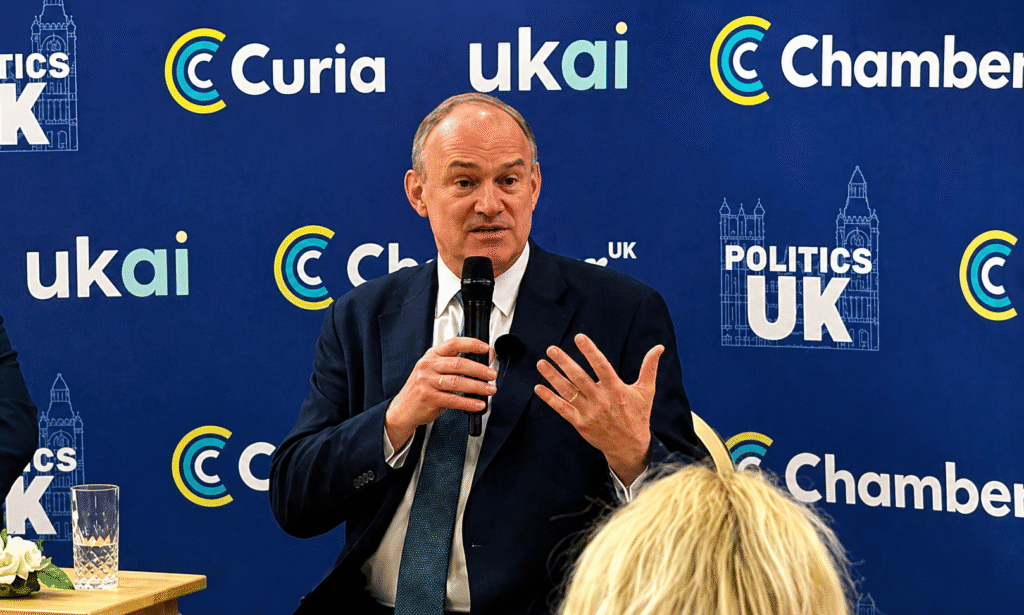
The Lib Dems believe that joining the scheme would reduce the incentive for asylum seekers to risk their lives crossing the English Channel, reducing the need for the UK government to stop the boats directly.
How Many Small Boats Are There?
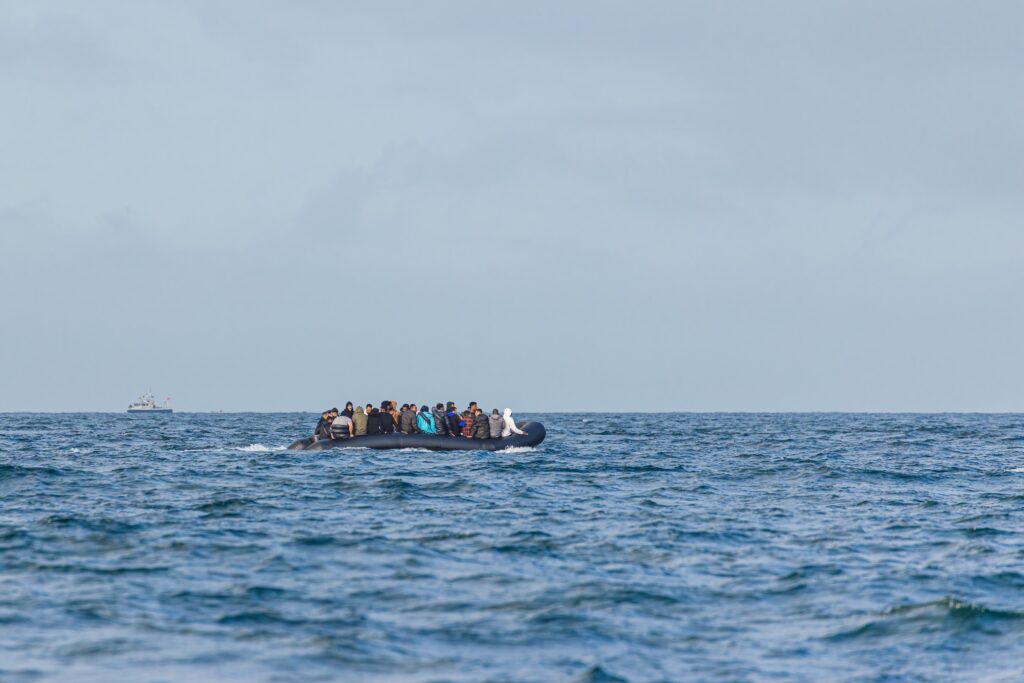
According to data from the UK Home Office, by the end of last week, 14,000 people had crossed the English Channel by small boat so far this year.
This is 43% fewer than at the same stage of last year, and leaves 2026 on track to be the year with the fewest small boat crossing since 2021.
Despite this, a recent YouGov poll found that 36% of respondents believed more people were crossing the English Channel than in previous years, compared to only 28% who thought the number had reduced.
14,000 is also almost twice the number that crossed the Channel in small boats in the whole of 2020, the year Britain left the EU. As well as almost ten times as many as crossed in 2019.
Earlier this month, a record 230 people attempted to cross the Channel on a single vessel, which the Home Office described as “reckless and dangerous.”
What is the Government Currently Doing?
Labour’s commitment to “restore common sense and control to our borders” was a key part of its 2024 General Election campaign.
The Government’s efforts to stop the boats have so far prevented 47,000 Channel crossings, according to the Home Office.
Under former Prime Minister Sir Keir Starmer, the Government supplemented its efforts to stop the boats with negotiations with foreign partners to resettle asylum seekers abroad.
In response to Davey’s proposals, a government spokesperson said that discussions with European countries were “bearing fruit”, but that there was “more to do that will only happen by working in collaboration with the EU.”
The Government agree however with the Lib Dem’s belief that the UK should be granted access to the EU’s asylum database, something that was removed during Brexit.
What Are the Alternative Policies to the EU Migration and Asylum Pact?
Reform UK has described the suggestion that closer alignment with the EU would help the UK to stop the boats as “complete misinformation.” The party maintains that EU membership “did nothing to make it easier to return asylum seekers.”
The party’s own scheme to stop the boats, named ‘Operation Fortress’ and announced earlier this month, involves enlisting Royal Navy vessels to detain small boats in the English Channel. The small boats would then be escorted by the Royal Navy to either France or Belgium.
The French Interior Ministry has said that Operation Fortress “would constitute a violation of French sovereignty, as well as a violation of the law of the sea, and international law.”
The Conservative Party, who first popularised the term ‘stop the boats’ when in government in 2023, believe the UK should withdraw from the European Convention on Human Rights. Others centre-right conservatives have opposed this position.
They believe this would allow anyone who enters the country illegally to be deported within a week of their arrival.
Final Thought
Data suggests that the Government is making progress towards its objective of stopping the boats, but not quickly enough to satisfy many British voters.
Joining the Migration and Asylum Pact would almost certainly reduce the number of small boat crossings, though its impact on overall migration is less clear.
Any further alignment with the EU would also be portrayed by the Conservatives and Reform as the Government undermining the result of the EU Referendum and relying on other nations to stop the boats.
This proposal cements the Lib Dems as the most pro-European mainstream party, securing the party an electoral niche going forwards, though potentially costing it in some of the rural areas where it had success in 2024.