
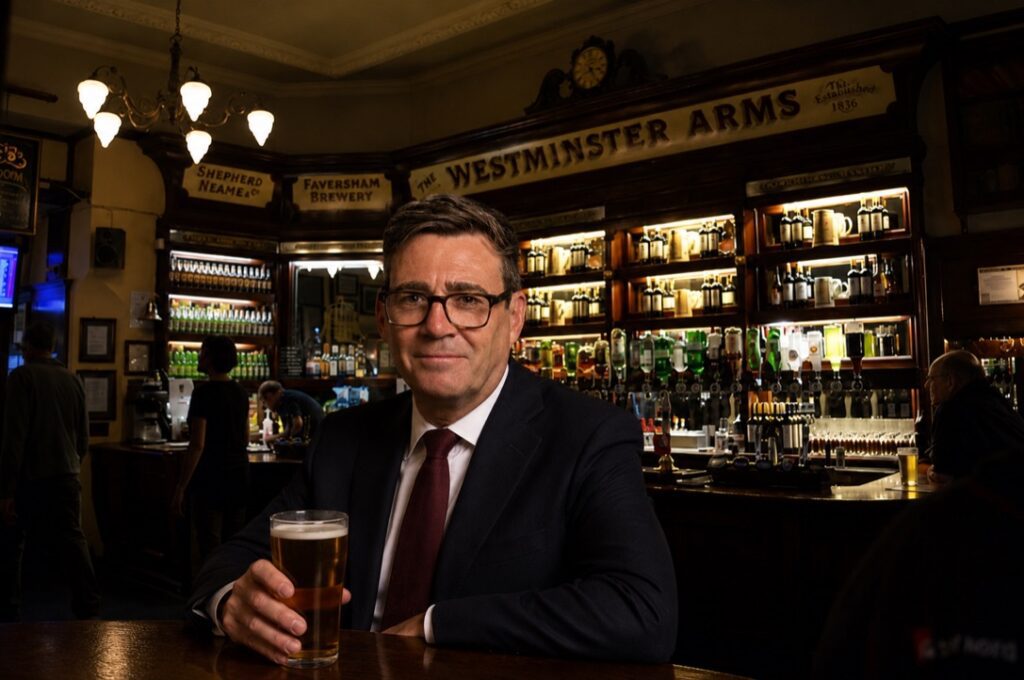
Andy Burnham has announced a 20% cut in business rates for pubs, clubs and small music venues in Britain, with the measure set to take effect beginning in April 2027. The policy is expected to benefit over 32,000 venues, offering what the government has described as targeted support for businesses that are at the heart of local communities across the UK.
The announcement is part of Burnham’s wider £10 billion push to strengthen Britain’s high streets and ease the cost-of-living pressures facing families and businesses. By reducing costs for community venues, the policy will help preserve the social and cultural spaces that many towns and cities have struggled to maintain in recent years because of rising costs. While the measure has been welcomed by many in the hospitality sector, questions linger about its overall impact and why some businesses have been excluded.
Supporting Community Venues
Under the new policy, a typical pub is expected to save around £1,100 over the following year. Although the savings may appear modest, ministers argue that they will help chip away at rising operating costs, higher wages, energy prices, and any other day-to-day expenses.
This cut will apply to all independently owned pubs and clubs as well as some larger chains and British classics like Wetherspoons and Marston’s. However, major music venues will not qualify for the reduction, with the government instead focusing its support on smaller, local venues that are more vulnerable to financial pressures.
Although the reduction is small, it isn’t insignificant and will take effect soon, signaling Burnham’s commitment to easing financial pressures on local businesses. The measure is intended to help these small community hubs remain financially viable, preserving the community spaces that many towns and cities rely on, while helping ensure the businesses’ people’s value remain open and accessible.
Funding the Business Rate Cut
The business rates reduction is expected to cost the government around £100 million each year. While this figure is a pretty small proportion of overall business rates revenue, it is one of the first significant tax measures announced under Burnham’s leadership.
Predictably, questions have arisen over how the government intends to fund this tax cut. Ministers have indicated they will review business rates relief currently available to vape shops, while also increasing enforcement against online businesses that fail to meet their UK tax obligations. Further changes to reliefs for businesses considered to provide less benefit to local communities are also expected to contribute towards funding this policy.
The announcement also builds on measures introduced earlier this year by former Chancellor Rachel Reeves, who announced a 15% business rates relief for pubs and live music venues. Burnham’s proposal has expanded that support, suggesting that the government might intend to continue using targeted tax relief as part of its strategy for supporting local businesses as opposed to introducing broader reductions across the hospitality sector.
Questions Over Who Benefits
Despite the excitement around this announcement, questions remain over which businesses will ultimately benefit and whether the support goes far enough.
While pubs, clubs and eligible small music venues have been included, cafés, restaurants, and hotels are not expected to receive the same sort of relief. Many of these businesses have faced similar increases in staffing, energy, and operating costs and are also considered the backbones of high streets across the nation. Their exclusion could prompt some debate over whether or not the government’s support has been targeted too narrowly.
There are also limited details about the 32,000 businesses expected to qualify for this cut. Although the government has provided a general estimate, it has not yet published the details breaking down how many independent pubs, chain venues, clubs, or music venues are included within the estimated figure.
Final Thought
Although the business rates reduction isn’t a hugely significant sum, and narrowly targeted, it reflects Burnham’s commitment to revitalising Britain’s high streets and supporting the community venues many people value. Questions may remain over whether similar support will be extended to the wider hospitality sector, but the announcement represents an early step in the government’s broader strategy to ease pressures on local businesses. While it won’t buy the first round, it may help keep the pub serving it.
You can still get a copy of our new edition of ChamberUK. Our parliamentary journal.
Photo Credits: Thomas Dahlstrøm Nielsen and House of Commons, composited by Chat GPT