
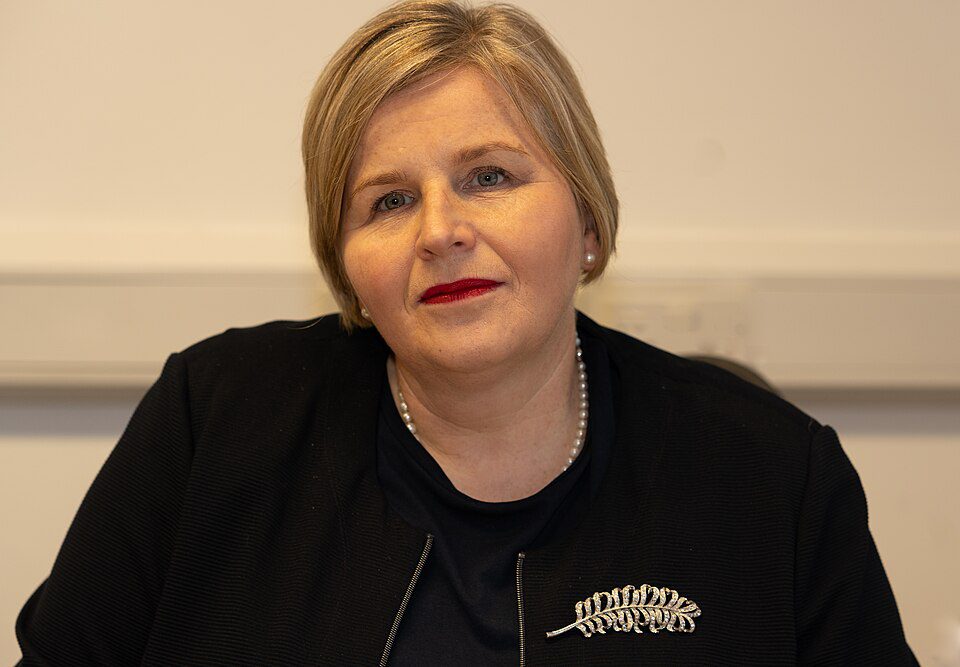
Dame Donna Ockenden’s Final Report of the Ockenden Maternity Review, published on Wednesday, has exposed profound shortcomings in maternity and neonatal care at Nottingham University Hospitals NHS Trust (NUH). The report found that 444 women and 76 newborn babies suffered “potentially avoidable” harm after receiving substandard treatment between 2012 and 2025, making it one of the most shocking investigations into NHS maternity services in recent history.
Drawing on testimonies from more than 2,500 families, Ockenden concluded that her discoveries were not the result of isolated mistakes, but rather a deeply entrenched organisational culture, exacerbated by severe under-staffing issues and resource deficiencies. Her findings have reignited debate over accountability within the NHS and the effectiveness of existing safeguards designed to protect patients.
The review has therefore intensified calls for reform not only within Nottingham’s healthcare services, but across maternity care in England as a whole.
A Preventable Tragedy?
A striking feature of the Ockenden review is the extent to which concerns had been raised long before the investigation began. Families repeatedly voiced concerns about the quality of care they received, while healthcare professionals warned of mounting pressures within maternity services.
Among the most notable examples was an open letter signed by more than 50 staff members at Nottingham’s Queen’s Medical Centre. It cited chronic understaffing, inadequate resources and a lack of critical safety equipment in a call for urgent action to protect mothers and babies. However, despite attempts to escalate these issues, they have gone unaddressed for years.
For Ockenden, this points to a wider issue than individual clinical errors. The Ockenden review highlights shortcomings in leadership, oversight and communication, creating an environment in which concerns could be raised repeatedly without resulting in effective action.
The findings are particularly troubling because they follow a series of previous maternity scandals that exposed many of the same issues. Ockenden’s 2022 review of maternity services at Shrewsbury and Telford identified failures in leadership, communication, and patient safety, which prompted dozens of recommendations aimed at improving care.
Yet the report on Nottingham’s healthcare system demonstrates that such shortcomings have persisted elsewhere in the NHS. Indeed, the Ockenden Review importantly raises a broader question: is the problem a lack of understanding regarding what needs to change, or a failure to ensure that lessons are consistently implemented across the health service?
Former Minister of State for Health and Secondary Care and Chair of Curia’s Health, Care and Life Sciences Research Group, Rt Hon Andrew Stephenson CBE, reflected on the significance of the review in conversation with Politics UK:
“I am deeply concerned by the findings of the Ockenden Review and the traumatic experiences of the families affected. The courage and openness of those who shared their stories have provided critical insight into where maternity services have failed and improvements are urgently needed.”
Is the Ockenden Review Likely to Bring About Change?
Professor Mike Bewick, former Deputy National Medical Director of NHS England, and Member of Curia Health, Care and Life Sciences Research Group, insisted that the Ockenden Review “must be a watershed moment for government and the Department of Health and Social Care to act”.
He claimed that it “illustrates again the major challenges that pervade in delivering safe maternity and neonatal services. This must now represent a system wide failure to implement the changes required, now recognised in multiple reports, with some urgency. The professional and regulatory bodies also need to urgently agree a course of action that mitigates some of the training and professional issues that persist.”
This resonates with Ockenden’s own assessment, who, alongside documenting these shortcomings, outlined a series of reforms aimed at strengthening patient safety. Central to her recommendations is the wider use of Martha’s Rule, enabling women, families and staff to request an urgent second clinical opinion when concerns are not being addressed. She also called for greater consistency in assessment and escalation procedures across maternity services.
The Government has sought to reassure families that action will follow. Responding to the report in the House of Commons, Health Secretary James Murray apologised on behalf of the NHS, stating: “I am sorry not just for the failures or the heartless and undignified treatment, but also because your cries of concern went unheard for too long.”
Pressure is also mounting for a statutory public inquiry into maternity and neonatal services, a demand increasingly supported by the affected families. This process could determine accountability, and whether the problems identified in Nottingham reflect deeper structural issues across the NHS.
Ultimately, the success of the Ockenden Review will not be measured by the scale of its findings, but by whether its recommendations are implemented. As Ockenden concluded, “We owe it to every mother, every baby, and every family whose terrible experiences are recorded here that they are never repeated.” Whether this report becomes a catalyst for reform or another missed opportunity now rests with ministers and NHS leaders.
Featured Image: Monika Niziol via Wikimedia
You can still get a copy of our new edition of ChamberUK. Our parliamentary journal.