
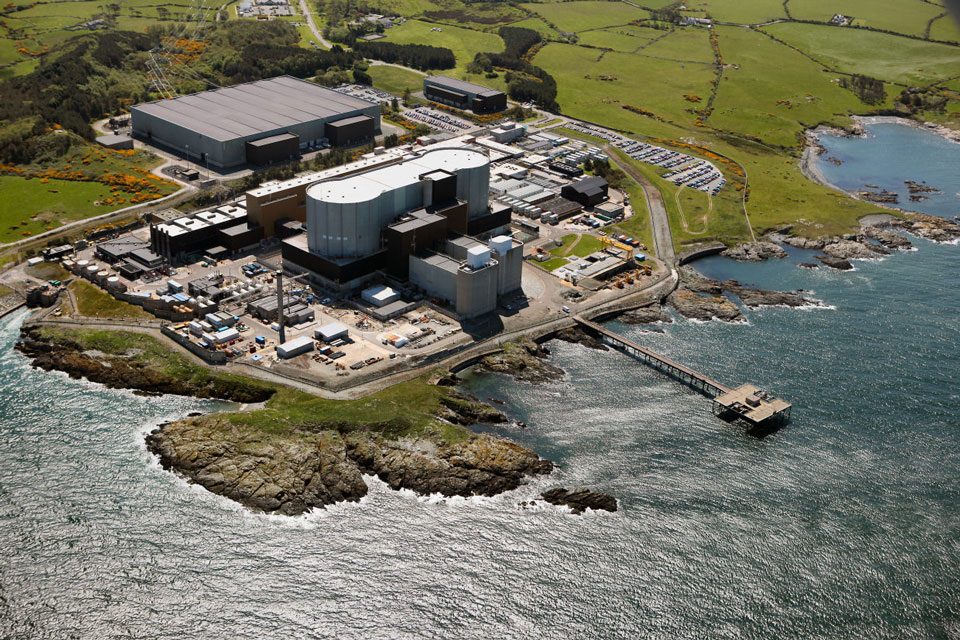
The UK Government has given the green light for a new nuclear power station at Wylfa in North Wales, marking one of the most significant energy infrastructure decisions in a generation. Backed by a multibillion-pound partnership with Rolls-Royce SMR and led by Great British Energy – Nuclear, the project will deliver Britain’s first Small Modular Reactors (SMRs).
Energy Security and Net Zero Secretary, Ed Miliband described the announcement as “a major milestone for Britain’s energy security”, emphasising that clean, homegrown power is essential to reducing reliance on volatile fossil fuel markets.
The decision reflects a wider shift in UK policy – towards long-term energy independence, resilience, and the rapid deployment of low-carbon infrastructure.
“A Historic Step” for Clean Power and Jobs
Industry leaders have been quick to underline the scale of the opportunity. Chief Executive of the Nuclear Industry Association, Tom Greatrex called the project “a historic step for clean power, industrial growth and skilled jobs in Wales”, adding that it marks “a significant and exciting new phase for the project and the people of Ynys Môn.”
The development is expected to support around 8,000 jobs, including approximately 3,000 roles at the Wylfa site and thousands more across the UK supply chain. It is also set to attract substantial investment into local communities and reinforce Britain’s industrial base.
Chancellor, Rachel Reeves framed the project as central to the government’s economic strategy, stating it will “strengthen our energy security, create skilled jobs and help to build a new generation of homegrown nuclear technology.”
Government: “National Renewal in Action”
The Wylfa project sits at the heart of the Government’s clean energy mission. Prime Minister, Sir Keir Starmer described the initiative as part of a broader national renewal, saying:
“We’re using all the tools in our armoury…to deliver the country’s first SMR in North Wales.”
He added that the programme will deliver “thousands of future-proofed jobs” and “cheaper energy bills in the long term.”
Similarly, Secretary of State for Wales, Jo Stevens called the announcement “one of the largest public investments in Welsh history”, highlighting its role in driving regional growth and prosperity.
Energy Secretary Ed Miliband reinforced this framing, stating:
“This landmark investment proves Britain can still build big projects that stand the test of time.”
Industry: A “Golden Age of New Nuclear”
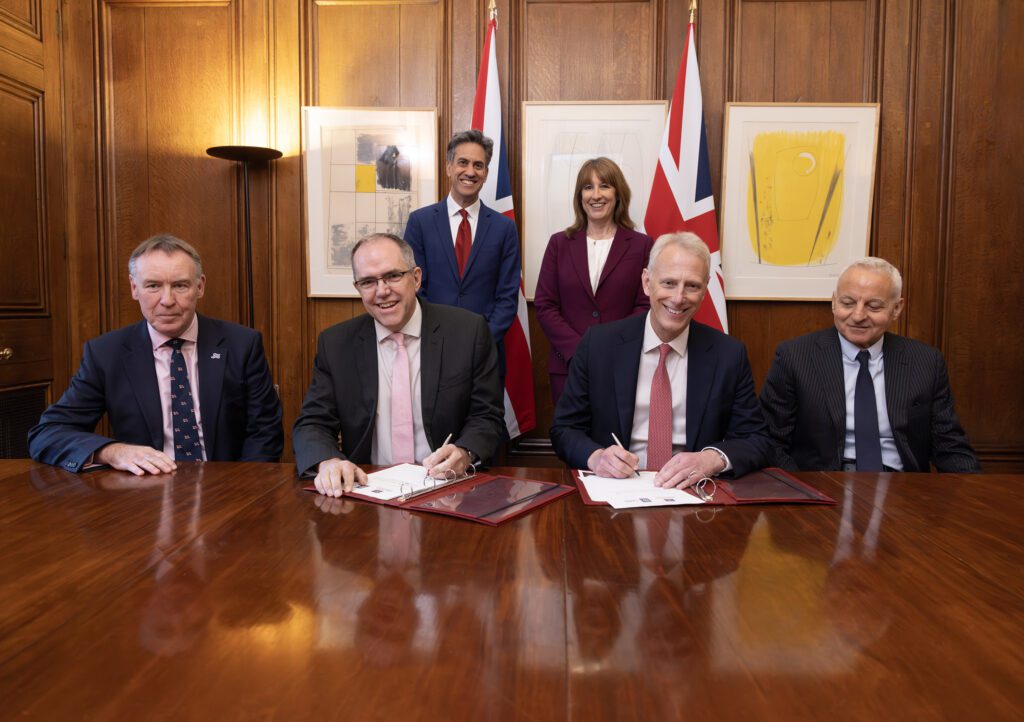
For industry, the Wylfa decision signals the beginning of a broader nuclear revival. CEO of Rolls-Royce SMR, Chris Cholerton described the agreement as:
“The first step in what will be a 100-year commitment to clean energy, innovation, and community partnership.”
He added that the project will transform how nuclear infrastructure is delivered, using modular, factory-built components to “minimise the impact on local people” while increasing cost and schedule certainty.
Interim Chair for Great British Energy – Nuclear (GBE-N), Simon Bowen echoed this, calling the deal:
“A historic moment for the UK…strengthening the UK’s energy independence and bringing long-term investment to the local economy.”
Meanwhile, GBE-N Chief Executive Officer, Simon Roddy described the agreement as a “landmark moment for the nuclear industry”, highlighting its role in supporting skills, innovation, and industrial capability across the UK.
Regional and Economic Transformation
The impact on North Wales is expected to be transformative. First Minister of Wales, Baroness Eluned Morgan described the decision as:
“The moment Ynys Môn and the whole of Wales has been waiting for…secure jobs and secure energy for the next generation.”
Business leaders have also welcomed the announcement. Ben Martin noted that nuclear expansion is critical to powering homes and businesses, while supporting skills development and SMEs across the supply chain.
Similarly, CEO of West Cheshire & North Wales Chamber of Commerce, Sarah Bailey described the project as “a transformative moment for North Wales”, pointing to its long-term impact on regional prosperity and innovation.
A Strategic Shift in How Britain Builds
At the centre of the Wylfa project is a new delivery model. SMRs are designed to be built in factories and assembled on-site, reducing costs, accelerating timelines, and improving scalability.
The three planned units are expected to generate enough electricity to power around three million homes for over 60 years, positioning SMRs as a key pillar of the UK’s future energy mix.
The Government has already committed billions in funding, alongside additional support from the National Wealth Fund, to de-risk the programme and attract private investment.
From Legacy Site to Future Leader
Wylfa’s selection is also symbolic. Once home to a nuclear power station that operated for over four decades before closing in 2015, the site now represents the next chapter in Britain’s nuclear story.
After years of stalled proposals, the revival of Wylfa signals renewed confidence in nuclear energy as both an economic driver and a strategic asset.
Beyond domestic priorities, the project positions the UK as a leader in next-generation nuclear technology. With potential export opportunities already emerging, SMRs could become a cornerstone of Britain’s industrial strategy.
As Greatrex put it, the sector now stands ready to put “Britain at the forefront of new nuclear development.”
Final Thought: ADefining Test for Delivery
The Wylfa SMR programme is more than an infrastructure project – it is a test of whether the UK can deliver large-scale, complex developments at pace.
With final investment decisions still to come and timelines stretching into the 2030s, delivery will be critical. But the alignment between government, industry, and regional stakeholders suggests a level of momentum not seen in decades.
If successful, Wylfa will not just power millions of homes, it will redefine how Britain builds its energy future.
(Photo: Open Government Licence v3.0)