
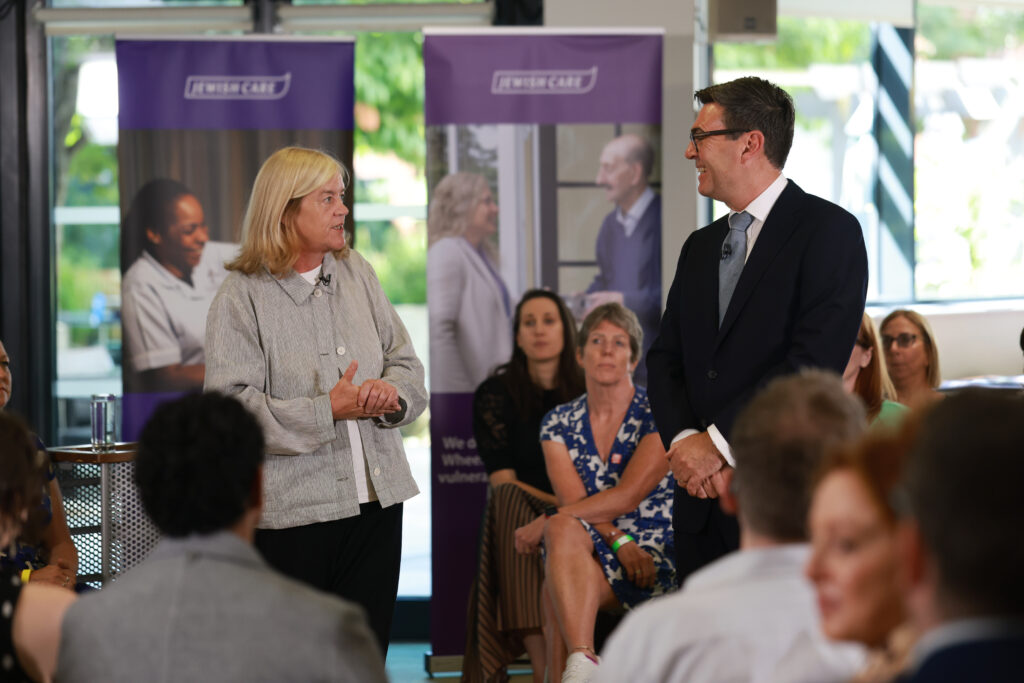
Prime Minister Andy Burnham has said he wants to create a National Care Service for England, modelled on the NHS and free at the point of use. In an interview with Laura Kuenssberg on Sunday, he argued that social care must be transformed to prevent people facing substantial costs when they or a family member need support.
Burnham described the current system as “as unfair as American healthcare” and said he wanted to “rip the plaster off” to fix it. He also drew attention to the care workforce, saying those who looked after his father had shown “humour, humanity and skill”, despite working for “poverty pay”.
The proposal would mark a major shift from the current system, where access to publicly funded adult social care is means-tested. People with assets above £23,250 generally have to pay the full cost of their care themselves. The King’s Fund says total spending on adult social care in England reached £34.5bn in 2024/25, but that figure covers the existing service, not the additional cost of making care universal and free at the point of use.
How much more the state would need to spend depends on the eventual design of the service.
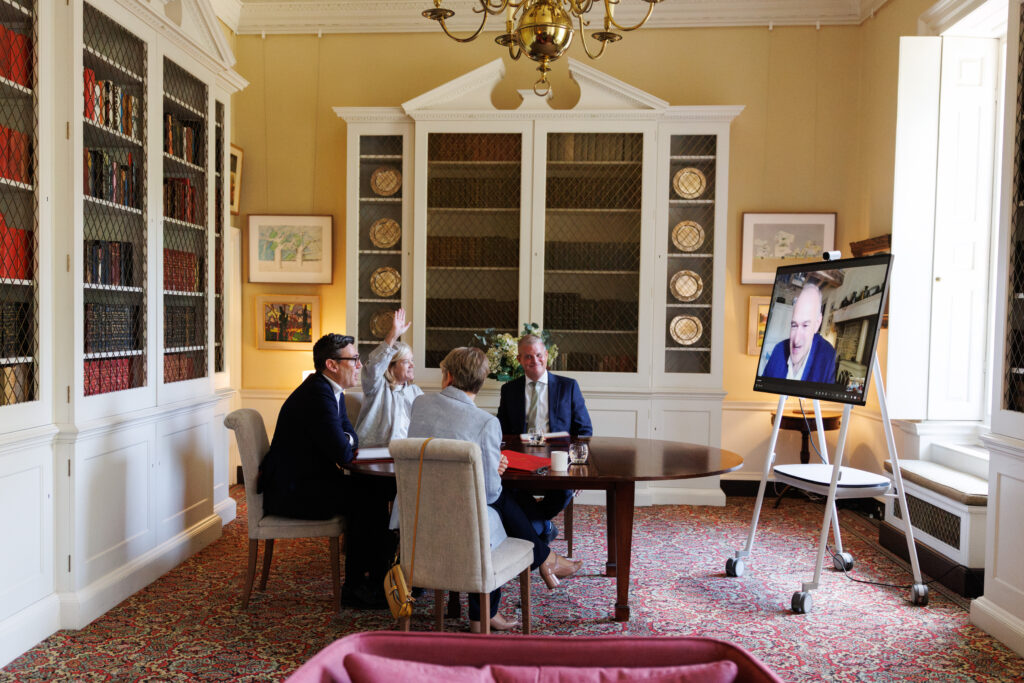
Voters would be asked to back the plan
Burnham said the reforms would not be introduced before the next general election, currently expected in 2029. Labour would instead put its proposals to voters in its next manifesto, with implementation to follow in the next Parliament if it secured a mandate.
He said the service would be funded by “everybody”, with everyone covered, but suggested the funding model might differ from the NHS. Baroness Casey’s review is expected to advise on how the system could be funded.
However, the Prime Minister stopped short of setting out a funding plan. He said the estimated annual cost of £18bn was “not as high” as suggested but offered no alternative figure. He said the reform would need to be carefully designed so it did not put extra strain on public finances.
Could the triple lock be part of the debate?
Burnham did not announce changes to the State Pension triple lock. Under the current policy, pensions rise each year by whichever is highest: earnings growth, inflation or 2.5%.
However, the question has been raised because the current Labour manifesto commits to retaining the triple lock during this Parliament, while Burnham says his care reforms would be put to voters at the next election. Could Burnham’s comments hint that a future reform of the triple lock could help fund social care?
The triple lock is only one of several options raised in the wider funding debate. The Health Foundation identifies possibilities including higher general taxation, changes to taxes on wealth or estates, or extending National Insurance contributions beyond retirement age. Each would distribute the cost differently between taxpayers, pensioners, people who need care and their families. None has been adopted as the Government’s plan for the National Care Service.
Changing the triple lock could moderate future growth in pension spending, but it would not automatically create a dedicated care fund. It would also affect pensioners’ incomes over time, with the impact depending on the replacement uprating formula and any protections for people on lower incomes. This makes the issue both a question of public finances and of how the costs and benefits are shared between generations.

A politically difficult settlement
There is a history behind the sensitivity. When Burnham proposed a National Care Service as Health Secretary in 2009, the funding model included a levy on estates after death. Conservatives branded it a “death tax”, and the proposal was abandoned after the 2010 election. Burnham said on Sunday that nothing was off the table, while making clear he was not simply reviving that earlier plan.
Times have however changed, and the political realities are now starker – with political consensus for change. However, the devil is clearly in the detail.
A change to the triple lock remains speculation, alongside other possible funding approaches; Burnham has not confirmed any of them.
Final thought
It is a brave Prime Minister to tie his political colours to a social care mast. Many Prime Minister has failed to deliver on this issue, and much political capital has been spent on failing to deliver a solution.
A universal care service could reduce the risk of families being overwhelmed by care costs, but universal cover also means the funding choices will affect people who do not currently draw on social care. The political test will be whether Burnham can explain a fair and credible settlement – and secure public backing for it – without leaving the central cost question unanswered.
The devil on this issue is in the detail. The Prime Minister will need to demonstrate that he will be able to deliver this without rebellion on the backbenches.
One former Cabinet Minister questioned earlier whether this should be a priority without a focus on growth. Without tax increases or a growing economy, sufficient funding is not going to be forthcoming to deliver the Prime Minister’s vision.
All eyes on the Prime Minister’s first Party Conference speech as Leader of the Labour Party to see if he will set out any further detail.
(Photo: Lauren Hurley/No 10 Downing Street)