
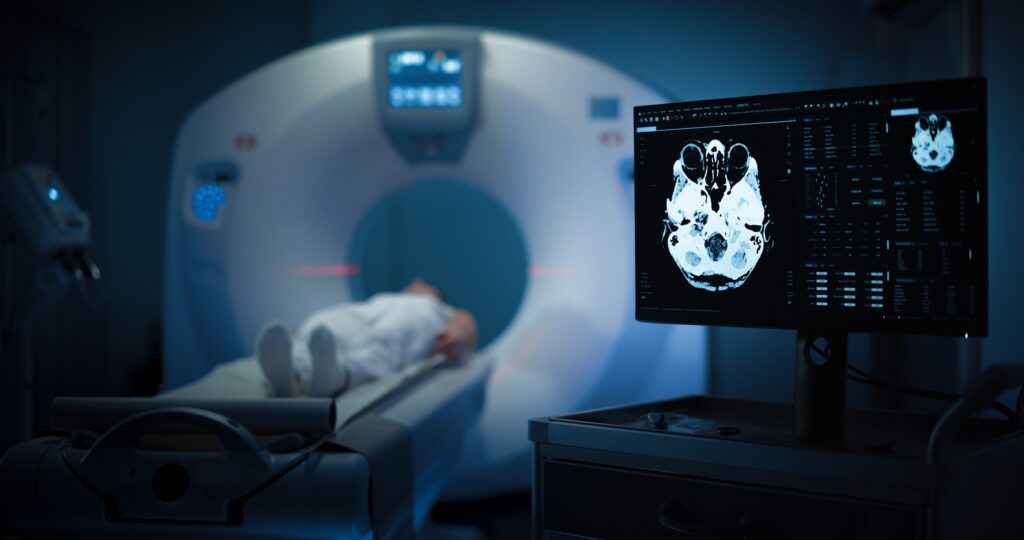
A new £200 million Neighbourhood Early Diagnosis Fund marks a major step in tackling cancer screening inequalities in England, with targeted local action designed to catch cancer earlier, save lives and narrow long-standing gaps between affluent and deprived communities.
The Government has announced a major new investment to address one of the most persistent challenges in cancer care – stark inequalities in screening uptake and early diagnosis between different parts of the country. A new three-year Neighbourhood Early Diagnosis Fund will form part of a £200 million package for local cancer care, aimed at reducing postcode-based disparities and improving survival rates.
The announcement, published on 29 January 2026 by the Department of Health and Social Care and NHS England, is a central pillar of the forthcoming National Cancer Plan. The plan is intended to position England as a global leader in cancer survival by focusing on what matters most to patients – faster diagnosis, fairer access and modernised services.
Closing the screening gap
While more people are surviving cancer than ever before, progress has slowed over the past decade. For several major cancer types, survival rates in England now lag behind those seen in comparable European countries. One of the key drivers is unequal access to screening and early diagnosis.
Data covering March 2021 to December 2023 shows that rates of premature death from cancer were more than twice as high in Blackpool, at 208 deaths per 100,000 people, compared with 104 per 100,000 in Harrow. These gaps widen further when ethnicity, place of birth and socioeconomic status are taken into account.
Between 2013 and 2020, early diagnosis rates consistently favoured more affluent areas, despite early detection being one of the strongest predictors of survival. Although recent years have seen improvement, inequalities remain deeply entrenched.
A personal commitment from the Health Secretary
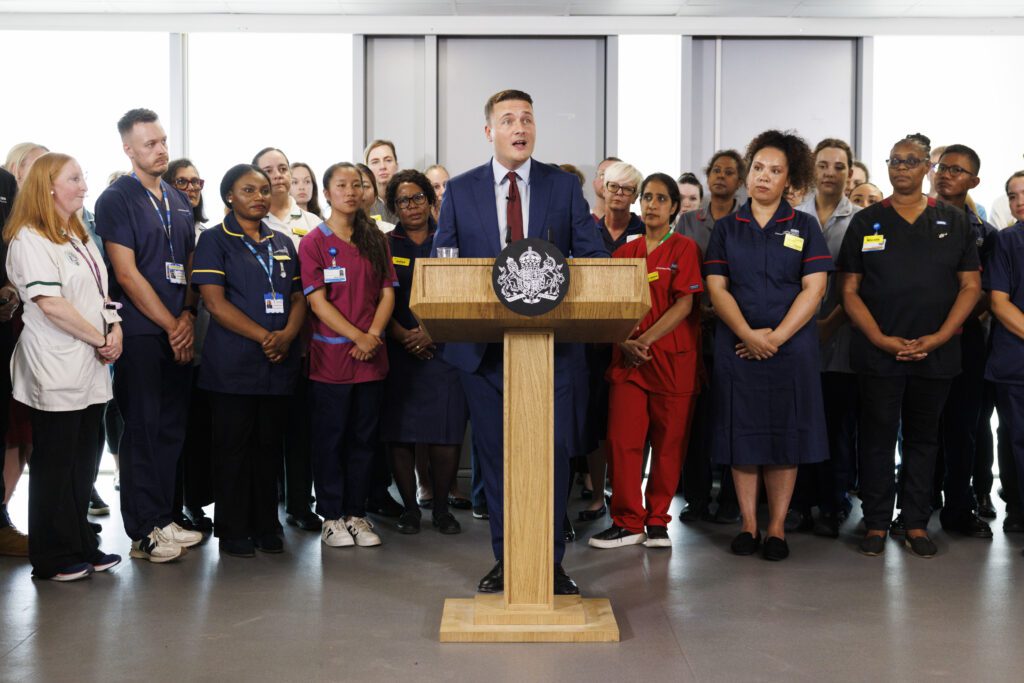
Health and Social Care Secretary Wes Streeting framed the announcement as both a moral and personal mission.
“In 1948, Aneurin Bevan founded the NHS with a promise that the best possible care would be available to all, regardless of their ability to pay or where they live,” he said. “The postcode lottery for cancer care we see today shows that promise has still not been realised. Our cancer plan will put this right, through investment and modernisation.”
Streeting also spoke candidly about his own experience of cancer. “I know from my own experience of being diagnosed with kidney cancer how vital early detection is. It was only caught by chance because I went to hospital about something else entirely. I was one of the lucky ones – but healthcare should not be left to luck. We will ensure that no community is left behind when it comes to catching cancer early. Wealth should not dictate health.”
He added that advances in medical science now make it possible to screen more accurately for early signs of disease. “Bringing this to every part of our country will help catch cancer earlier and treat it faster.”
Local solutions, designed with communities
From 2026, Cancer Alliances – regional NHS partnerships responsible for co-ordinating cancer services – will work directly with neighbourhood health services, commissioners and community organisations to develop targeted local campaigns.
The Neighbourhood Early Diagnosis Fund, which sits within ring fenced cancer funding for 2026 to 2027, will support initiatives in areas and population groups where early diagnosis rates are lowest. Cancer Alliances will collaborate with charities and community groups to identify barriers to screening, whether cultural, logistical or informational, and design interventions that work for local people.
Dr Claire Fuller, National Medical Director at NHS England, stressed the importance of accessibility. “Screening is crucial in helping the NHS catch cancers earlier and boost people’s chance of survival, but it is vital that it is as easy to get screened in the most deprived areas as it is in the most affluent parts of England,” she said.
“Through the National Cancer Plan we will work closer with local communities to ensure that barriers to early diagnosis and screening opportunities are eradicated and help to make England a world leader for cancer survival.”
Building on what already works
The new fund builds on successful programmes already delivering results. Mobile lung cancer screening units across Greater Manchester have reached people aged 55 to 74 who smoke or have a history of smoking, meeting patients where they are. More than 1,200 people have been diagnosed with lung cancer through the programme, with almost 80 per cent identified at an early, treatable stage.
One of those patients, Wigan resident Gillian Glynn, 60, credits a screening visit to her local supermarket with saving her life after her cancer was detected at stage one.
In Liverpool, a mobile breast screening unit is bringing services directly into North and Central Liverpool, areas with some of the lowest screening uptake in England. By removing transport barriers and making appointments easier to attend, the initiative aims to improve outcomes for local women.
Looking ahead
Recent reforms are already showing impact. Early diagnosis rates in 2024 and 2025 reached record levels, equating to around 10,000 additional people diagnosed at the earliest stages in the last year alone. These gains have been driven by streamlined referral routes, better support for primary care and the expansion of lung cancer screening.
The Government’s ambition is to build on this momentum. Developed in collaboration with clinicians, charities and patients, the National Cancer Plan is rooted in lived experience and focused on delivering quicker diagnosis, access to the latest treatments and better support for people living with cancer.
For patients and communities that have long been underserved, the Neighbourhood Early Diagnosis Fund represents a meaningful opportunity to turn national commitment into local change – and to ensure that where you live no longer determines whether cancer is caught in time.
Speaking to Chamber UK, Chair of Curia’s Health, Care, and Life Sciences Research Group, Andrew Stephenson said “The commitment is welcome, but the difference will be made in delivery. If this investment genuinely empowers local services and communities to redesign how screening reaches people, it could mark a turning point in closing cancer inequalities.”
Final Thought – Delivery will determine success
From a policy implementation standpoint, the Neighbourhood Early Diagnosis Fund places explicit emphasis on place, partnership and practical delivery. Too often, national strategies on health inequalities have faltered at the point where funding meets frontline reality. By routing this investment through Cancer Alliances and neighbourhood health services, the Government is signalling that reducing screening gaps requires local intelligence, trusted community relationships and flexibility in delivery – not one size fits all programmes designed from the centre.
However, execution will be everything. The capacity of Cancer Alliances to design, commission and sustain targeted interventions varies significantly across regions. Some already have deep links with voluntary and community sector organisations; others will need to build that infrastructure quickly. Without clear accountability, shared metrics and support for local leadership, there is a risk that funding is absorbed into existing pressures rather than reshaping how and where screening is delivered. Policymakers will need to ensure that learning is rapidly shared between areas, and that successful models can be scaled without losing their local grounding.
The fund also raises important questions about data and measurement. Targeting communities with lower uptake relies on timely, granular insight into who is being missed and why. Linking screening data with deprivation, ethnicity and access indicators will be essential, as will transparency on outcomes. If this programme is to genuinely narrow inequalities, success must be judged not just by overall increases in early diagnosis, but by whether the gap between the most and least deprived areas is closing year on year.
For Curia, the lesson is clear. This investment has the potential to reshape early cancer diagnosis in England, but only if implementation is treated as a core policy challenge rather than an afterthought. Sustained political attention, delivery focused governance and meaningful engagement with communities will determine whether this funding becomes a catalyst for lasting change, or another well intentioned initiative that struggles to reach those who need it most.
Curia’s Health, Care, and Life Sciences Commission regularly focuses on improving cancer detection and survival rates through the uptake of new technology. To find out more about Curia, contact Partnerships Director, Ben McDermott at ben.mcdermott@chamberuk.com