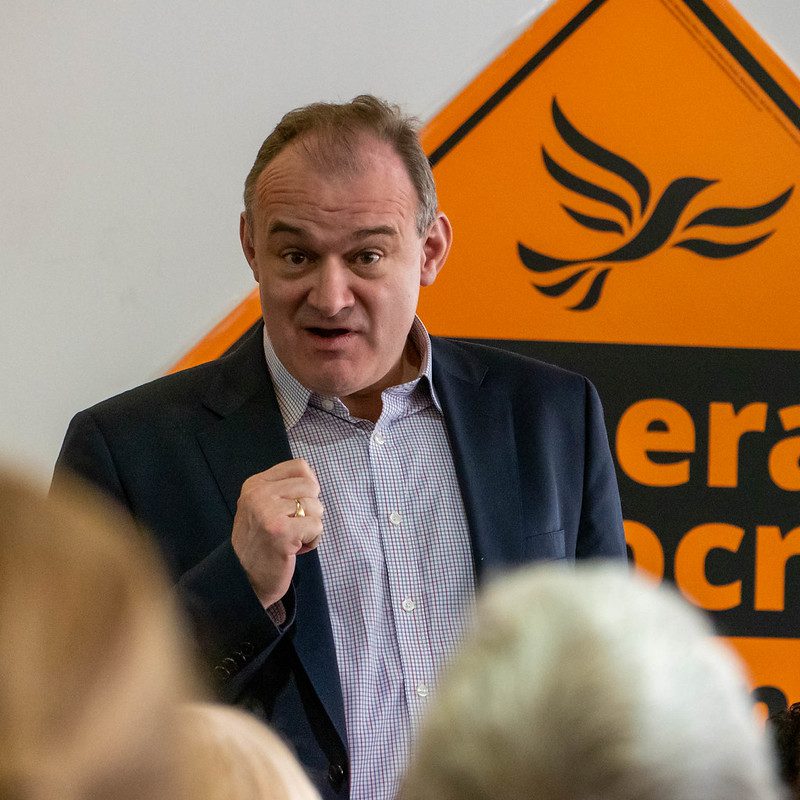

This morning, Ed Davey announced his plan to challenge Labour’s commitment to EU red lines, and unveiled the Liberal Democrats’ vision for ‘A new Growth and Defence Partnership with Europe’.
If successful in the upcoming Makerfield by-election and any subsequent leadership challenge, the Liberal Democrats would push Andy Burnham to instigate talks on a far more ambitious, new EU partnership.
At the heart of this proposal is a call for closer economic and political ties with Europe, alongside deeper security cooperation and a long-term pathway to re-building Britain’s relationship with the EU.
Could Davey’s New EU Partnership Right the Economic Wrongs of Brexit?
The Liberal Democrats argue that Nigel Farage and Boris Johnson’s ‘Brexit experiment’ has failed, citing estimates that in the midst of a cost-of-living crisis, the decision to leave the EU is costing the UK economy £90 billion per year.
Under the prospective Growth and Defence Partnership, the UK would re-join the single market as a member of the European free trade agreement. Davey claims this could remove all trade barriers to Europe, boosting Britain’s economy and reversing years of economic damage in turn.
He also advocates for the negotiation of a Customs Union between the UK and EU, which would prevent reciprocal tariffs on goods traded with member countries and ultimately lead to more efficient exchange: ‘Labour has failed to act. They refuse to cut red tape, pull down trade barriers and generate the growth we desperately need. Instead of change, they buried their heads in the sand’.
Despite promises that Brexit would allow Britain to “take back control” of its laws and regulations, British businesses must still comply with many EU standards in order to access European markets. The difference is that the UK no longer has any meaningful influence over how those rules are made. Davey argues that a closer partnership would give Britain greater influence over decisions that directly affect its economy, allowing it to shape regional standards rather than simply adapting to them.
Immigration and the New EU Partnership
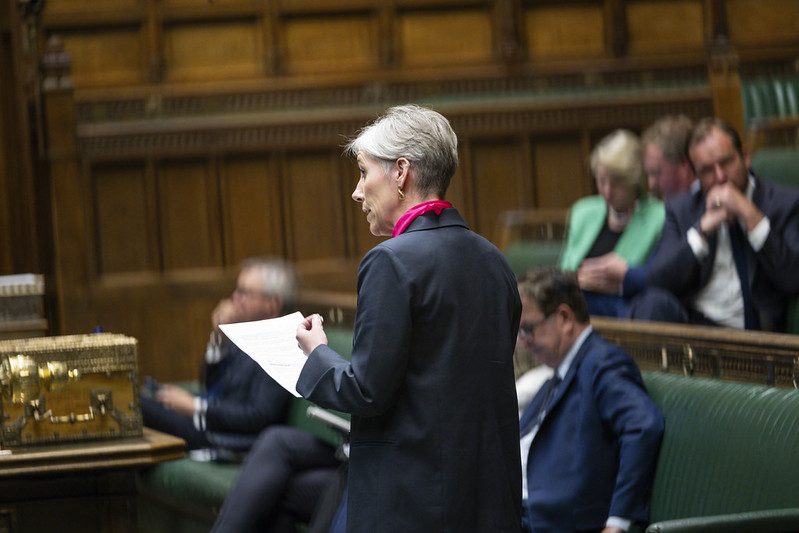
Daisy Cooper, Deputy Lead of the Liberal Democrats and Treasury Spokesperson, told PoliticsUK “It was the conservatives and Nigel Farage who plunged our immigration system into chaos by ripping up our returns agreement with EU countries”. She argues that breaking ties with the European Union has counterintuitively made it more difficult to control Britain’s borders in practice.
The Party claims that the UK government currently lacks the agreements required to return individuals who arrive in the country illegally by crossing the channel in small boats. Cooper believes that a “new partnership with Europe would bring more control to Britain’s borders by giving us a returns agreement with every EU country, stopping dangerous small boat crossings by ending the pull factor created by the Conservatives and Farage.”
Defence: Britain’s Trump Card In Europe
The Liberal Democrats argue that Britain should use its strengths to secure a better deal with Europe. At a time of growing instability across the continent, given Russia’s continued aggression in Ukraine and Trump’s initiative to ‘abandon European security’, the EU is seeking greater cooperation with the United Kingdom over defence. Meanwhile, Britain remains one of Europe’s leading military powers, with world-class armed forces and defence industries.
According to the Lib Dems, the government should therefore leverage this strength in negotiations; a new EU defence partnership would allow Britain to work alongside ‘dependable allies’ to keep the region safe, while also creating jobs across the UK.
Davey’s proposal has come at a time of heightened global conflict and diplomatic disjuncture. The Growth and Defence Partnership would send a clear and positive message to current EU members that the UK is committed to a future of cooperation with the European Union and reversing the isolationist policies of Brexit.
This certainly aligns with the Liberal Democrats’ wider ambition to rejoin the European Union, but whether Labour is prepared to embrace the deal, is another matter altogether.
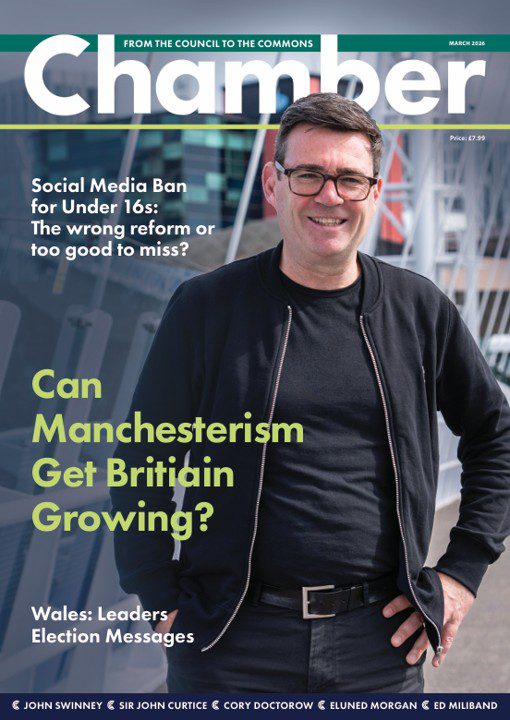
You can still get a copy of our new edition of ChamberUK. Our parliamentary journal.
Photo Credits:
Featured Image: Stephen Bingham/Flickr
In-text photo: House of Commons