
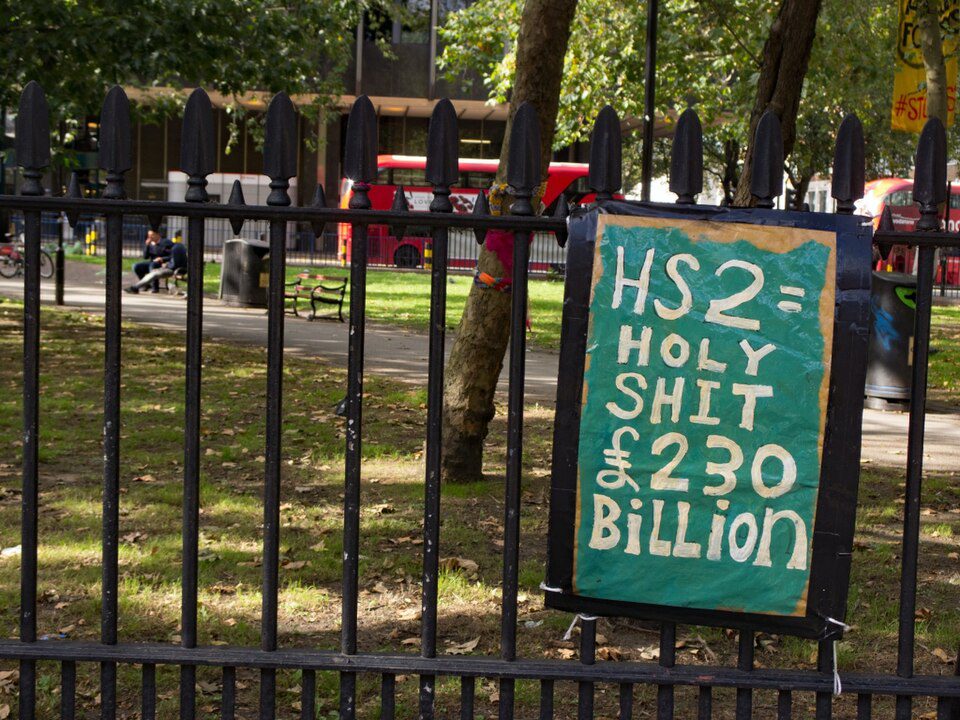
HS2 could now cost between £87.7bn and £102.7bn, Transport Secretary Heidi Alexander has confirmed, as the Government announced a major reset of the high-speed rail project.
In a statement to Parliament, Alexander said the project had suffered from “years of mismanagement” and that taxpayers, passengers and communities along the route had been “let down”. She said the Government was now ending an “era of neglect” by taking greater control of delivery, cutting waste and reducing complexity.
The new cost range is priced in 2025 terms. According to the Department for Transport, around two thirds of the increase is due to missed work in the original project scope, underestimation, and inefficient delivery, with the remaining third linked to inflation.
First trains now expected from 2036
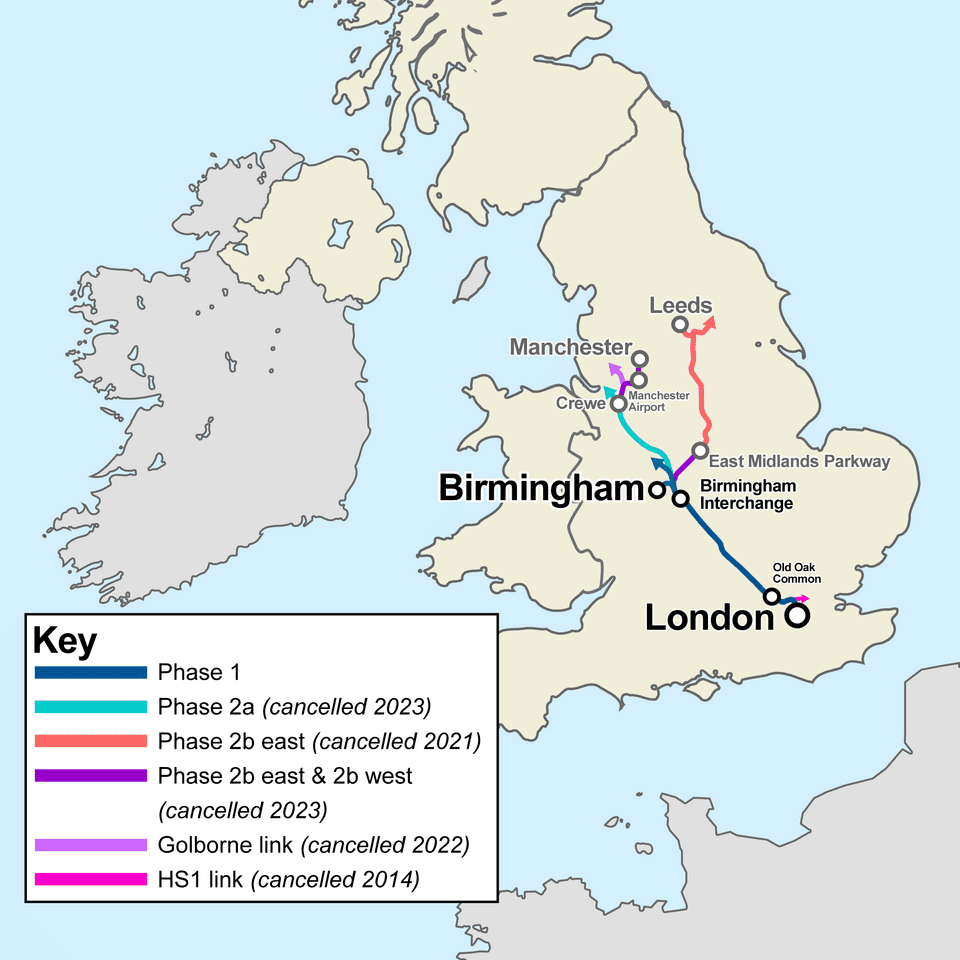
The first HS2 services are now expected to run between Old Oak Common in west London and Birmingham Curzon Street between 2036 and 2039. The full scheme from London Euston to Birmingham Curzon Street, including the connection to the West Coast Main Line, is expected between 2040 and 2043.
That represents a significant delay from the original timetable, with the first phase of HS2 once expected to open in 2026. The Government says the updated timetable has been produced after a full review of the remaining work.
Speed cut to save money
As part of the reset, HS2 trains will now run at 320 km/h, rather than the previously planned 360 km/h. Ministers argue that the lower speed will align HS2 with other high-speed railways in Europe and Japan, while reducing the cost and risk of delivery.
The Department for Transport said the previous speed ambition added complexity because there was no existing track in Great Britain where trains could be tested at 360 km/h. The change could save up to £2.5bn and at least a year in construction time.
Government rules out cancellation
Despite the rising cost, the Government has committed to delivering HS2 between London and Birmingham. Alexander said new analysis showed cancellation could cost almost as much as completion while delivering none of the benefits.
The Government argues that HS2 will improve reliability and capacity on the West Coast Main Line corridor, saving passengers around 30 minutes between London and Birmingham compared with current services. It also says the line will double peak long-distance fast rail capacity between the capital and the West Midlands.
Economic case for completion
Ministers are also emphasising the wider economic benefits of the scheme. Recent forecasts cited by the Department for Transport suggest HS2 is already contributing £20bn to the economy over the next decade around station sites and depots in the West Midlands and west London.
The Government says the project could support 63,000 new homes and more than 49,000 new jobs in those areas. Commercial development at Euston is estimated to add £41bn to the economy over the next three decades and support 34,000 jobs.
More than 6,100 contracts have been awarded to UK businesses through HS2, with over half going to small and medium-sized enterprises.
New leadership under pressure to deliver
HS2 Ltd chief executive Mark Wild, and chair Mike Brown have been tasked with turning the project around. The Government says six major construction milestones have been reached ahead of schedule in the past year, while 300 back-office roles have been removed.
Those milestones include the sliding of a road bridge for the A46 over the HS2 route, the installation of beams and overbridges near Calvert in Buckinghamshire, and the completion of boring the 3.5-mile Bromford tunnel in Birmingham.
Wild said resetting HS2 was “the only way to regain control of the project”, adding that productivity had improved over the past 12 months. However, he acknowledged the new cost, and timetable would be “unwelcome news” for local communities and taxpayers.
The Government says the reset is fully funded within the Department for Transport’s current Spending Review settlement, with no additional borrowing. Funding beyond 2029–30 will be set in future Spending Reviews.

Check out our new edition of ChamberUK. Our parliamentary journal.
Photo Credit: Julian Osley and CNBRB