

Peter Mandelson, former British Ambassador to the United States, has become central to a scandal that threatens to end Keir Starmer’s tenure as Prime Minister, as the US Department of Justice released documents revealing details of Mandelson’s relationship with paedophile Jeffery Epstein, before and after his conviction. But what exactly has been released, and what does this mean for British politics?
Beginning in September 2025, the US House Oversight Committee, as part of their initial release of files regarding the Epstein cover-up, released a letter from Mandelson to Epstein, in which he referred to Epstein as his “best pal”. As well as this, an email was released, revealing Mandelson’s support after Epstein was convicted in 2008 for soliciting a minor. After these were released, Mandelson resigned as British Ambassador.
The latest tranche of Epstein files published in the United States reiterates that Peter Mandelson knew Epstein, and it has set out, in documentary form, what the relationship involved, and what information Epstein received from him, who was a senior minister during the Gordon Brown years. In addition, the files released by the US Department of Justice last week include emails which highlight the closeness of the relationship, and which suggest Mandelson shared government documents with Epstein, as well as revealing payments from Epstein to Mandelson and his partner.
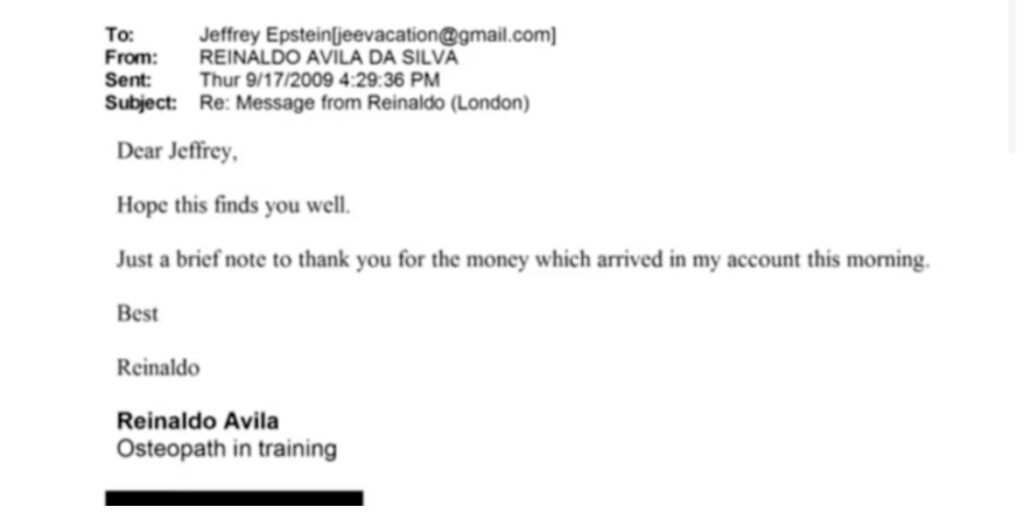

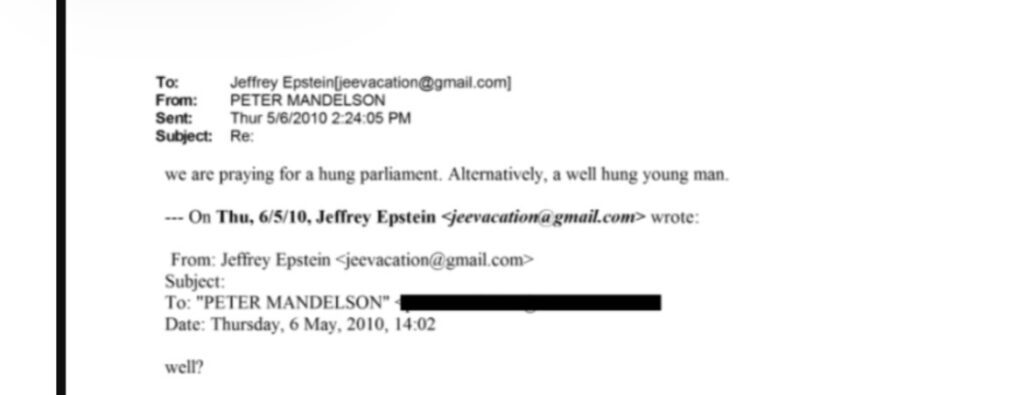
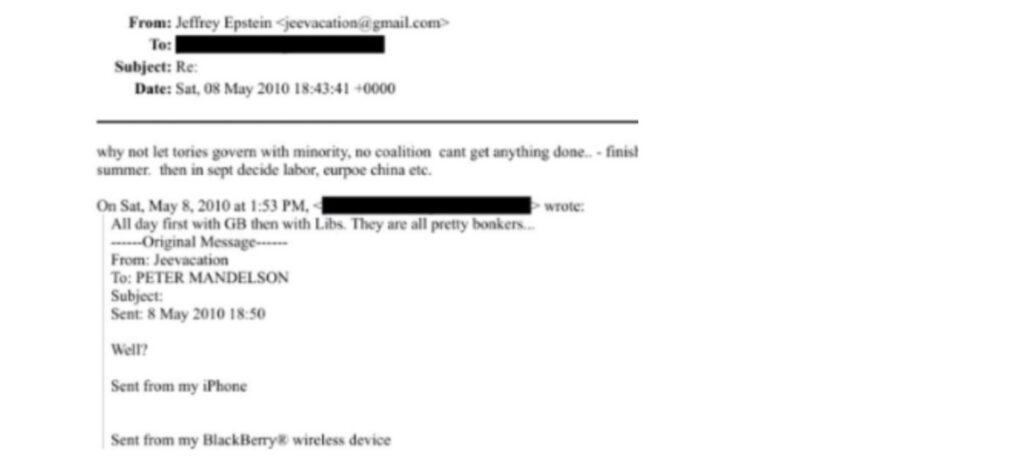
Further, in 2009, Mandelson sent Epstein a government memo concerning potential UK asset sales and changes to taxation policy, and in 2010, he gave Epstein advance notice of a European Union bailout package worth approximately €500 billion during the Eurozone debt crisis. In effect, the documents are being interpreted as showing market-sensitive government information being passed to a man who, by that stage, was a convicted sex offender.
To begin, Mandelson should never have given out state secrets to someone with clear self-interest within the matters, for it breaches not only ministerial responsibility, but also loyalty to the state. As an MP, Mandelson effectively betrayed those who voted for him for financial gain, and managed to escape any consequences for it at the time.
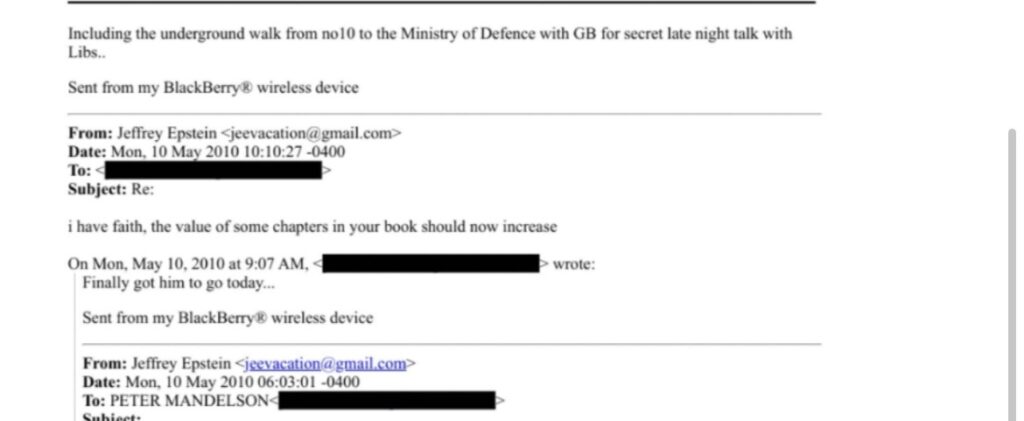
During PMQs, this interpretation was echoed by Conservative Leader Kemi Badenoch, who has used this situation to attack Starmer’s current administration. During recent Commons debates on the DofJ releases, it was stated that the files appear to show Mandelson received £50,000 from Epstein, and that several years later Epstein was provided with advance knowledge of bailout plans, internal resignations, and pressure on the Chancellor.
Alongside the alleged disclosures, the financial dimension has become central to the scandal, for the files record payments connected to Epstein and Mandelson’s partner during his time in office, although he has set stated that he does not recall receiving such payments. The issue, however, is not only the question of legality, but the fact that the financial relationship is now part of the public record, and is being treated as political material regardless of whether criminal wrongdoing is established.
As well as this, the files have also revived scrutiny of his continued association with Epstein after his conviction, and whether this relationship was fully disclosed prior to Mandelson’s appointment as British Ambassador to the United States. It is now accepted that his ties to Epstein were known at the time of his appointment, and that assurances were given regarding the nature and extent of that relationship, assurances which have since been withdrawn.
What has transformed the affair from scandal to crisis is that it has now entered the criminal process. The Metropolitan Police are assessing material relating to Mandelson’s conduct while in office, including the alleged sharing of confidential government information. While no charges have been brought, the existence of an active police investigation has intensified pressure on the government and limited its ability to contain the fallout.
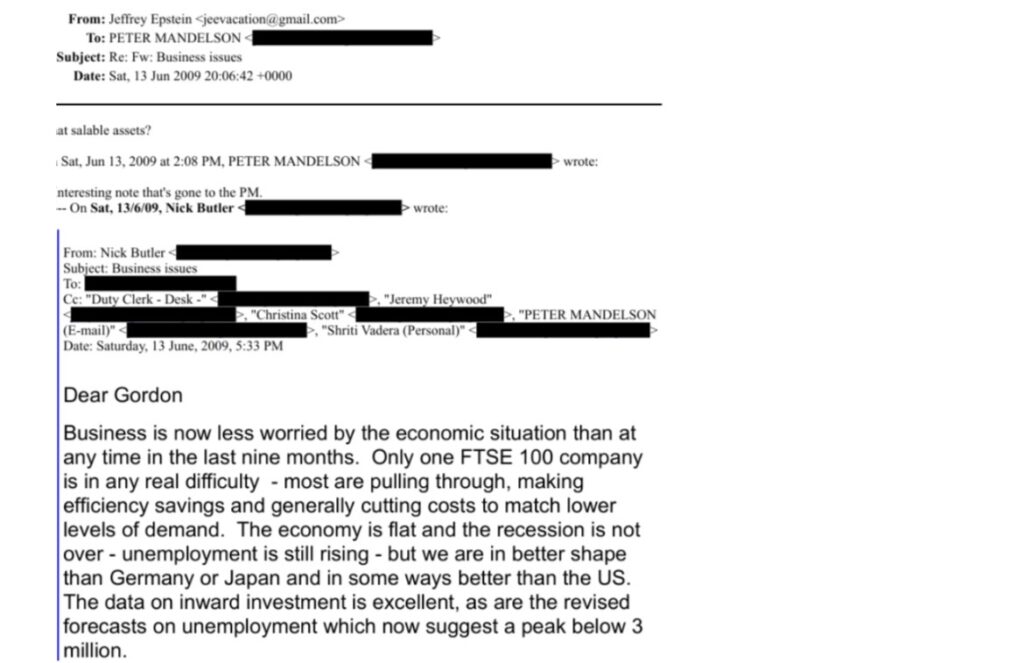
Altogether, the Epstein files indicate three central things. First, that Mandelson maintained contact with Epstein long after his conviction. Second, that Epstein recorded financial payments connected to Mandelson and his partner. Third, that Epstein appears to have received sensitive government information during 2009 and 2010, including material relating to UK assets, taxation, and European bailout plans. It is this cumulative picture, rather than any single document, that has pushed the scandal beyond questions of judgement and into a crisis of governance. Whether Keir Starmer can come back from this will be seen over the coming weeks.
Featured Image: Financial Times