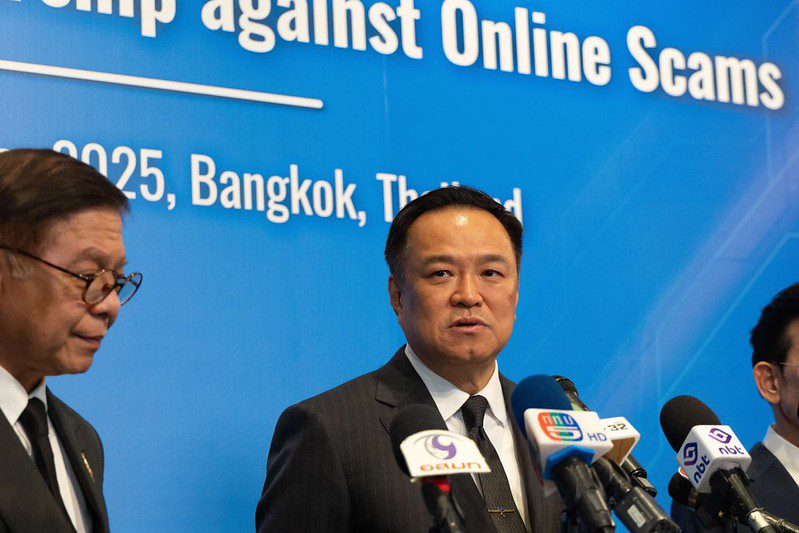

Voters in Thailand head to the polls this Sunday, 8 February 2026, in an atmosphere of profound exhaustion and high-stakes volatility. For a kingdom that has seen three prime ministers in just two years and endured a bloody border conflict that claimed 149 lives, this election is more than a routine transfer of power, it is a desperate search for a release valve from a decade of political paralysis. At the centre of the storm is a three-way battle for Thailand’s soul: a progressive youth movement fighting for survival, a once-mighty populist dynasty in freefall, and a conservative establishment that has found a new, pragmatic face.
The Rise of Anutin and the New Conservative Order
The most significant shift in Thai politics over the last year has been the emergence of caretaker Prime Minister Anutin Charnvirakul as the undisputed heavyweight of the conservative camp. Once a mid-sized kingmaker known for his medical marijuana platform, Anutin’s Bhumjaithai party has successfully absorbed the remnants of the old military-aligned factions to become a formidable royalist-conservative force.
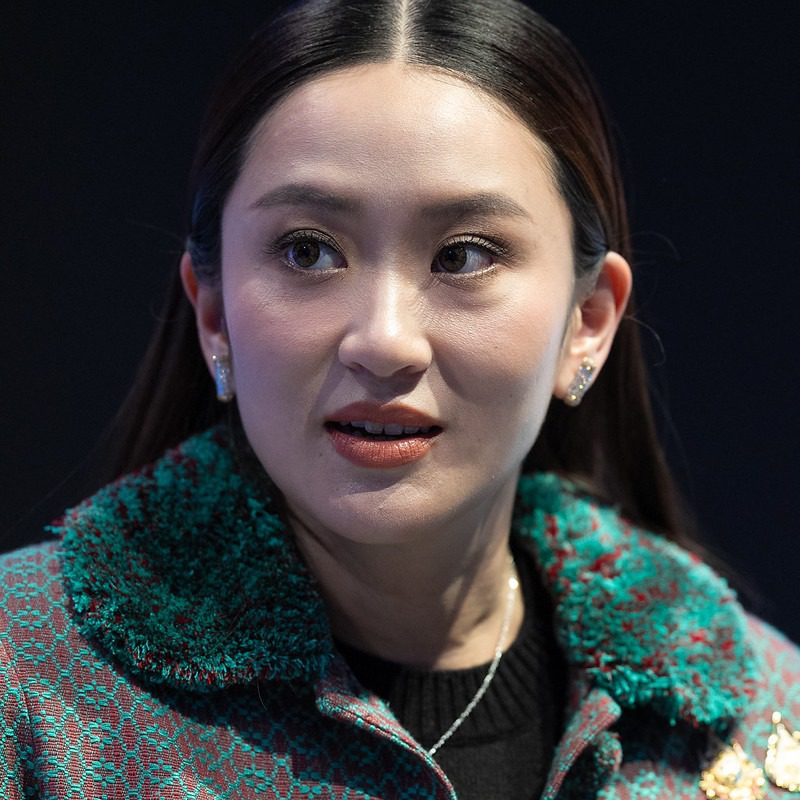
Image: Former Prime Minister Paetongtarn Shinawatra at the World Economic Forum Annual Meeting – World Economic Forum/ Greg Beadle
Anutin’s path to the premiership in September 2025 was a masterclass in political manoeuvring. He seized the opportunity when the Constitutional Court removed Paetongtarn Shinawatra, effectively collapsing the Pheu Thai-led government. By positioning himself as a stable hand during the border crisis with Cambodia, Anutin secured the backing of the palace and the conservative elites. His campaign has leaned heavily into nationalism, promising a border wall and a massive expansion of military-backed volunteer forces, rhetoric that has resonated with an electorate rattled by the prospect of war.
The Shinawatra Dynasty in Crisis
For twenty years, the name Shinawatra was synonymous with electoral dominance. Today, that legacy is facing an existential threat. The Pheu Thai party, the vehicle of billionaire Thaksin Shinawatra, is polling in a distant third place, a reality that would have been unthinkable five years ago.
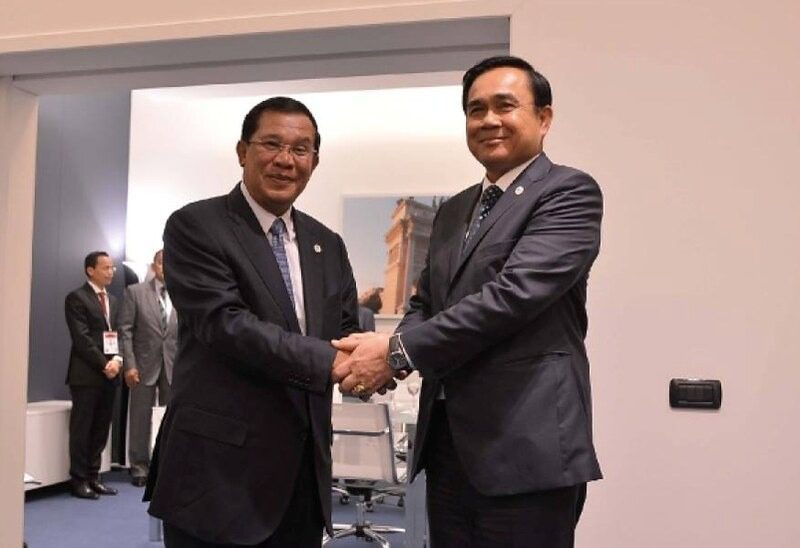
Image: Former Prime Minister General Prayuth Chan-ocha meets with Former Cambodian Prime Minister Hun Sen – Prachatai
The family’s downfall has been spectacular. After years in exile, Thaksin returned to Thailand in late 2023 only to find himself jailed. His daughter, Paetongtarn, took the mantle of Prime Minister in 2024 but lasted only a year before being judicially ousted. The smoking gun was a leaked phone call with Cambodia’s former leader Hun Sen, in which she was heard referring to the foreign strongman as uncle while disparaging the Thai military. In the eyes of many voters, especially in the nationalist heartlands, this was seen as a betrayal of national honour.
Now, with Thaksin behind bars and the family brand tarnished, Pheu Thai is campaigning on a platform of Shinawatra nostalgia, led by Thaksin’s nephew Yodchanan Wongsawat, in a desperate attempt to hold onto their dwindling base in the North and Northeast.
The King and the Veto of the Establishment
In Thailand, the ballot box is rarely the final word. King Maha Vajiralongkorn remains the country’s ultimate moral and political authority, and the conservative establishment, a mix of the palace, the military, and the judiciary, retains the power to veto results it finds unpalatable. The monarchy is a highly revered institution protected by some of the world’s strictest lese-majeste laws, and the King’s approval remains the ultimate prize for any aspiring government.
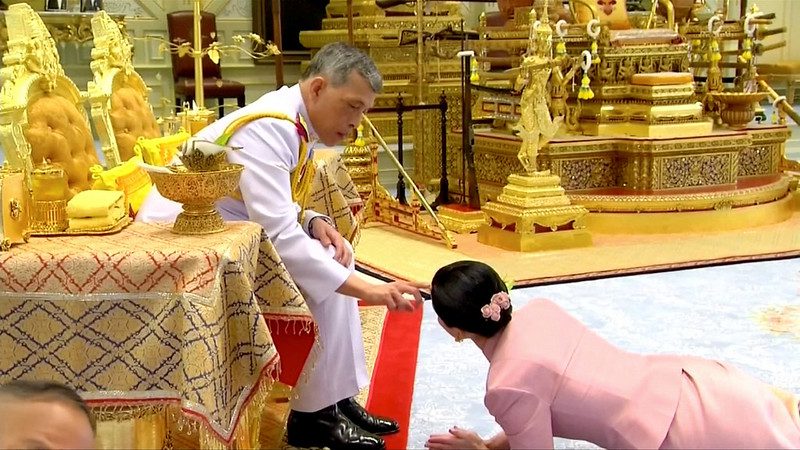
Image: King Maha Vajiralongkorn marrying his bodyguard Queen Suthiya – Mark Joseph Jochim
The People’s Party is already facing a new wave of legal investigations regarding their past stance on the monarchy, which could see its leaders banned before they even take office. This veto architecture ensures that even if the progressives win the popular vote, they must still navigate a system where the palace-military nexus holds the keys to the kingdom.
The People’s Party: Winning the Vote, Losing the Power
If the polls are to be believed, the progressive People’s Party is set to win the most seats for the second consecutive time. As the successor to the dissolved Move Forward and Future Forward parties, the People’s Party represents a generation of Thais who are fed up with the status quo. They are running on a transformative agenda: dismantling monopolies, ending military conscription, and overhauling a bureaucracy they say has kept Thailand in the shadow of its regional peers.
However, their leader, Natthaphong Ruengpanyawut, is already under the shadow of the same judicial architecture that destroyed his predecessors. The National Anti-Corruption Commission is currently investigating 44 former lawmakers, including Natthaphong himself, over past attempts to reform the royal insult laws. Even if they win a plurality on Sunday, the People’s Party faces the threat of party dissolution or disqualification before a cabinet is even formed.
The Border War and the Constitutional Question
The ghost at the banquet of this election is the 2025 border crisis with Cambodia. The conflict, which centred on contested strategic hills and ancient temples, has fundamentally altered the political map. It provided the conservative establishment with the perfect pretext to reassert the importance of the military and the monarchy as the ultimate defenders of the state. For the first time in years, the reform message of the progressives is being countered by a potent security message from the right.
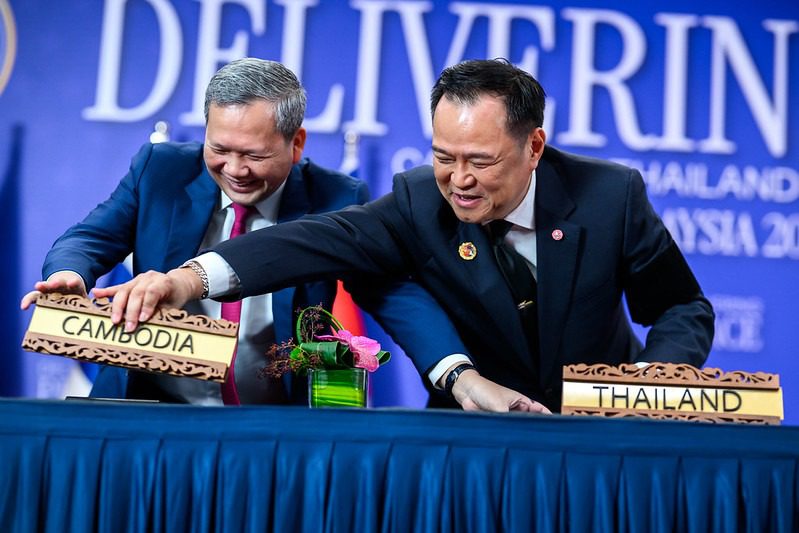
Image: Cambodian Prime Minister Hun Manet and Thailand’s Prime Minister Anutin Charnvirakul after signing the Kuala Lumpur Accord alongside President Trump – The White House / Daniel Torok
Simultaneously, voters will face a historic choice on a separate ballot: a referendum on the 2017 Constitution. This document, drafted by the military junta that seized power in 2014, was designed to ensure that the wrong parties could never truly govern. While a yes vote for a new constitution is almost certain to pass, the process is a legal labyrinth. Even with a public mandate, the Constitutional Court has ruled that two more referendums and several rounds of parliamentary approval are required before a single word of the charter can be changed.
The Likely Outcome: A Fragile Truce
The most probable result on Sunday night is a fractured parliament where no party holds a majority. While the People’s Party will likely claim the largest share of the 500 seats, they are unlikely to find a coalition partner willing to risk the wrath of the establishment. This leaves the door open for Anutin to once again play the role of the great stabiliser.
A coalition between Bhumjaithai and a weakened Pheu Thai, perhaps backed by smaller conservative blocks, would be the establishment’s preferred outcome. Such a government would focus on economic stimulus and border security while keeping the reformists at arm’s length. Yet, as the history of the last two decades has shown, any government that ignores the clear mandate for change from Thailand’s youth is building its house on sand.
Featured Image via United Nations (AP/Anton L. Delgado)