

Ben Howlett
Chamber UK CEOWhat The King’s historic address signals for transatlantic ties
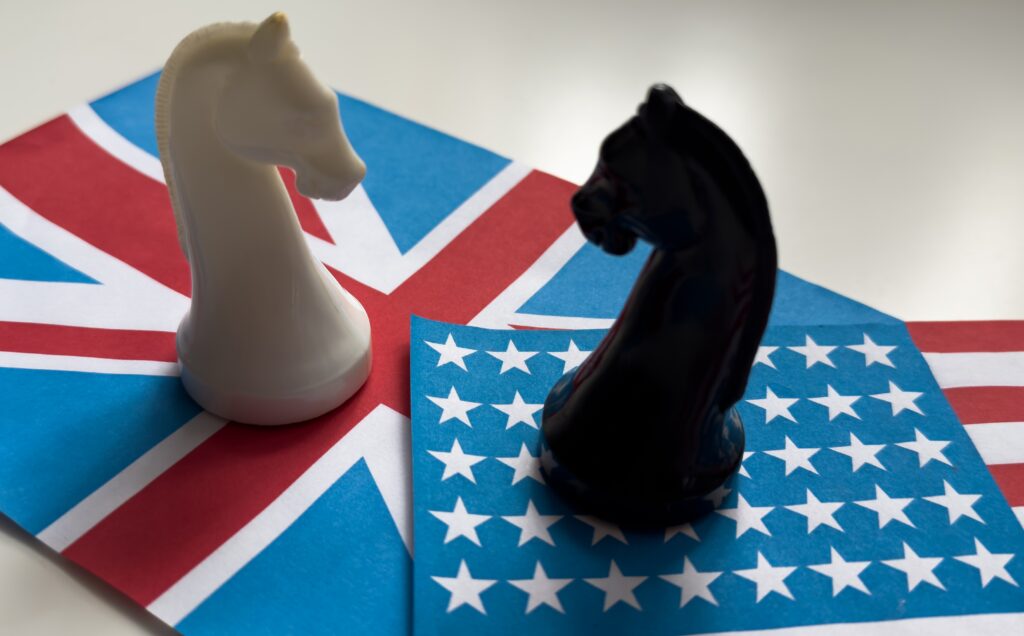
King Charles III’s address to the US Congress on Tuesday was historic, warmly received and subtle on policy. Only the second British monarch ever to speak before lawmakers on Capitol Hill, The King used the occasion not merely to celebrate shared history, but to send carefully calibrated signals about the future direction of the UK-US relationship at a moment of global uncertainty.
For British businesses and policymakers alike, the speech should be carefully analysed. Beneath the traditional ceremonial language and humour lay a clear message from the UK Head of State and leader of the Commonwealth – the “special relationship” remains strong, but it cannot be taken for granted.
Continuity, not rupture, at the heart of the alliance
At its core, The King’s speech sought to reassure those concerned of a widening split in UK-US relations. By describing the historic partnership as “more important today than it has ever been,” The King reinforced the idea that the relationship transcends any single government, leader or policy disagreement. A statement only The King could make. This matters at a time when political volatility on both sides of the Atlantic has prompted questions about the durability of long‑standing alliances.
For British firms operating in, trading with, or investing in the United States, the signal was clearly delivered; the institutional foundations of the relationship remain solid. Defence, intelligence sharing, financial cooperation and regulatory coordination continue to rest on decades of embedded trust. With domestic political challenges for both the UK Prime Minister and US President – The King’s address was designed to reassure that even with political challenges at home – the relationship remains strong.
The emphasis on history was not nostalgic window‑dressing. By framing four centuries of shared experience as the backdrop for future cooperation, The King underscored that the partnership is not simply transactional that endures a single political cycle, but more foundational to how each state defines itself and the relationship with their key ally.
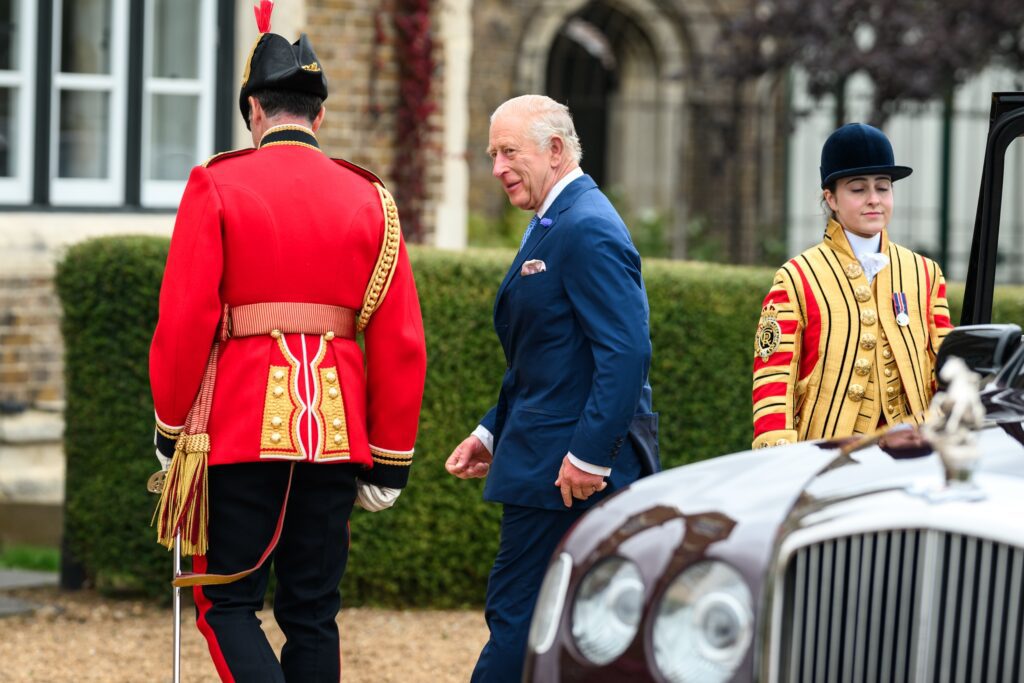
Whilst this was King Charles’ first State Visit to the US, he has met the US President a number of times, including during Trump’s visit to the United Kingdom in 2019, when he was Prince of Wales.
A diplomatic nudge toward sustained US leadership
While deliberate and crafted , the speech also contained unmistakable encouragement for the United States to maintain its global leadership role. The King warned against the temptation for nations to become “ever more inward‑looking”, a phrase widely read as a gentle appeal to Washington at a time of international strain following disagreements over Ukraine, Greenland, Iran – and more problematic, NATO itself.
Importantly, this appeal was made to Congress, not solely to the White House. By addressing legislators directly, King Charles highlighted the central role Congress plays in trade, defence funding, alliance commitments and long‑term policy direction.
For the UK, this reflects a strategic priority for His Majesty’s Government: ensuring that American engagement with allies remains anchored not just in executive action, but in bipartisan institutional support. Stability matters for markets, supply chains and investment decisions – and the UK is positioning itself as a voice for continuity rather than disruption.
Security cooperation as the non‑negotiable core
If any area of the relationship was presented as beyond doubt, it was security. The King’s firm support and advocacy for NATO, explicit backing for Ukraine, and praise for initiatives such as AUKUS reinforce that defence cooperation remains the bedrock of the transatlantic partnership.
For business leaders, this has indirect but significant implications. Security alignment underpins everything from energy infrastructure protection to technology collaboration, and shipping routes. The affirmation that these ties are long‑term and insulated from day‑to‑day political tension should be reassuring for sectors exposed to geopolitical risk.
The King conceded disagreements may arise, but he was clear that the architecture of shared defence is not up for renegotiation.
Democratic values as commercial foundations
One of the most discussed aspects of the speech was The King’s repeated references to constitutional principles, checks and balances, and the rule of law. While framed historically – through references to Magna Carta and Abraham Lincoln – the implication was unmistakably relevant for today.
For investors and businesses, democratic reliability is not a political concept relegated to the A-level textbook. Legal predictability, independent institutions, and stable regulatory environments are central to commercial confidence. By placing these values at the heart of the bilateral relationship, The King reaffirmed what many in the business community already know to be a reality – trust between nations is inseparable from trust in their systems.
With democracy under threat around the world (some would argue rightly in the HJ and US too), the UK sees shared democratic norms not as optional, but as foundational to long‑term partnership.
Moral awareness without political overreach
The King’s brief reference to supporting victims of abuse, widely interpreted as an acknowledgment of sensitive debates, illustrated another recurring theme of the address: empathy and restraint.
Rather than engaging in political controversy, the speech demonstrated how the Uk intends to navigate difficult terrain with their closest ally – acknowledging concerns, expressing shared values, but avoiding actions that could undermine legal processes or diplomatic stability.
What this means for UK economic interests
Taken together, the speech sends a signal to companies operating across the Atlantic. The US-UK relationship is not in crisis, but it is evolving amid global shifts. The UK is positioning itself as a steady, reliable partner – one that values open markets, shared security, and institutional continuity.
For British business, the implication should be cautiously positive. Although a difficult pill to swallow for the politically interested – the US and the UK are stuck with the same leader (notwithstanding their impotence from forthcoming local elections and midterms) for the foreseeable. One thing that Trump and Starmer have in common is the inability of their enemies to join opposition blocks together and they are therefore likely to limp on.
Against this background, therefore, expect continued cooperation, deep ties in defence and technology, and a shared interest in predictable, rules‑based systems. At the same time, The King’s message is that engagement matters – alliances, like markets, require active stewardship.
The King’s speech was a reminder that the strength of the UK-US relationship lies both in history and deliberate choices about the future.