
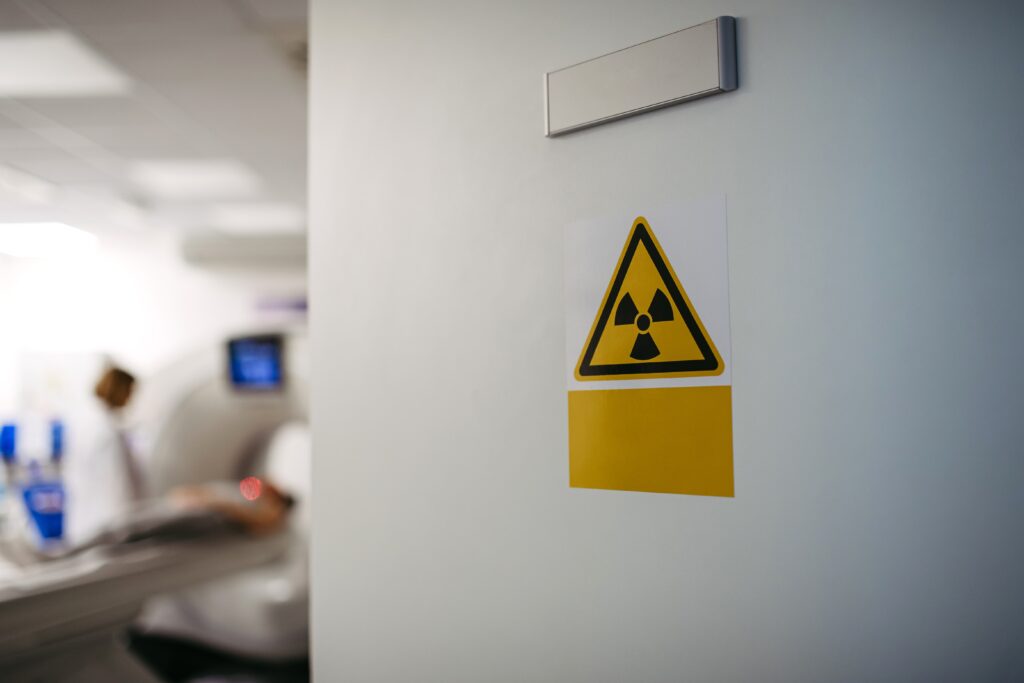
Precision cancer treatments capable of tackling some of the hardest to treat tumours are set to be produced in the UK using material derived from reprocessed uranium from historic nuclear reactor fuel, following a landmark partnership announced this week.
Under a 15-year agreement between UK based biotech firm Bicycle Therapeutics and the Nuclear Decommissioning Authority (NDA), hundreds of tonnes of reprocessed uranium will be used to generate a rare medical isotope for next generation radiopharmaceutical cancer treatments. Ministers say the deal demonstrates how nuclear science and life sciences can work together to save lives, strengthen the NHS, and drive economic growth.
The agreement will see the NDA provide Bicycle Therapeutics with access to up to 400 tonnes of reprocessed uranium over the next decade and a half. From this material, Bicycle will produce tens of thousands of doses each year of lead 212, a powerful medical isotope used in precision cancer therapies. Crucially, the reprocessed uranium continually regenerates the isotopes required, creating a long term and reliable supply.
How uranium becomes medicine
The process underpinning this breakthrough was developed by the United Kingdom National Nuclear Laboratory (UKNNL). While the volumes involved sound vast, the quantities of isotope required are extraordinarily small. A minute amount of lead 212’s parent material – compared by scientists to a single drop of water in an Olympic sized swimming pool – is separated through a series of chemical processes and radioactive decay. An even smaller quantity of lead 212 is then isolated for use in radiopharmaceutical medicines.
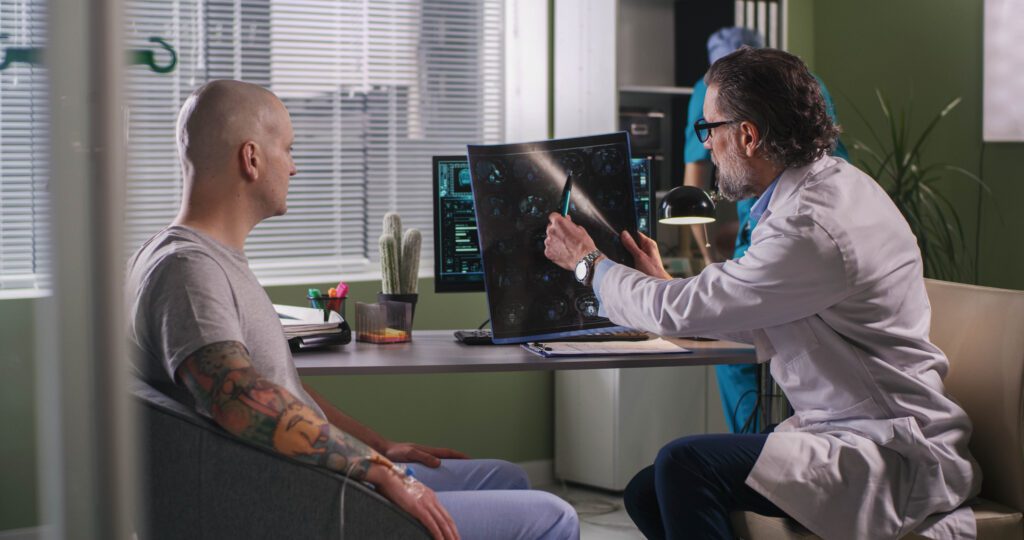
Radiopharmaceuticals deliver targeted radiation directly to cancer cells, destroying tumours while reducing damage to surrounding healthy tissue. This precision approach offers new hope for patients with cancers that conventional treatments often struggle to tackle, including certain prostate cancers and neuroendocrine tumours affecting organs such as the gut and pancreas.
Bicycle will extract lead 212 using a novel radioisotope generator developed specifically for the company by medical isotope experts Spectron Rx.
Government backing for bold innovation
Science and Technology Secretary Liz Kendall said the partnership shows how cutting edge science can translate into tangible benefits for patients.
“Cancer is a disease that affects millions worldwide, and tears too many families apart,” she said. “Breakthroughs in medical science are giving more cancer patients and their loved ones hope, and this unique partnership could help take that work even further.
“Turning nuclear material into cutting edge cancer treatments sounds like science fiction – but thanks to the brilliance of scientists, researchers and doctors, it could be a life saving reality.”
Health Innovation Minister Dr Zubir Ahmed described the deal as exactly the kind of bold thinking the NHS needs.
“Every breakthrough that gives patients and their loved ones new hope matters deeply,” he said. “By turning nuclear material into precision cancer treatments, we are opening new frontiers in the fight against this deadly disease.
“This is the kind of innovation that will help us build an NHS fit for the future, while driving economic growth across the UK.”
The announcement also builds on wider efforts to improve cancer outcomes, including expanded diagnostic capacity and investment in new technologies. Between November 2024 and October 2025, more than 110,000 additional patients were diagnosed with cancer or had cancer ruled out within 28 days of an urgent referral compared with the previous year.
British science at the centre
Bicycle Therapeutics was co founded by Nobel Prize winning scientist Sir Greg Winter and is headquartered in Cambridge. The company is developing a novel class of medicines known as Bicycle molecules, designed to target disease with greater precision than existing therapies.
Chief Executive Officer Kevin Lee said the agreement was a significant milestone.
“As a UK based biotech company, we are incredibly grateful to the UK Government for recognising Bicycle’s Nobel Prize winning science and its potential,” he said. “We are proud to be part of the British life sciences ecosystem and to collaborate in ways that help people and support economic growth.”
For UKNNL, the collaboration reflects decades of research applied to real world challenges. Chief Executive Officer Julianne Antrobus said, “Our purpose is nuclear science to benefit society, and this partnership is a perfect example of that in action. It is incredible to see UK expertise at the forefront of the global fight against cancer.”
NDA Group Chief Executive David Peattie added that the partnership showed how the organisation could go beyond its core mission. “By leveraging our unique capabilities and resources, we are helping to advance wider government ambitions and create a lasting positive legacy for the nation,” he said.
Final thought
From a policy perspective, this partnership highlights something often missing from debates about innovation: alignment. It brings together long-term nuclear stewardship, cutting edge life sciences, and NHS priorities around earlier, more effective cancer treatments. Rather than viewing nuclear decommissioning and healthcare as separate policy silos, this approach treats them as complementary parts of a national innovation ecosystem.
For government, the lesson is clear. Transformational outcomes emerge when public assets, scientific expertise, and commercial capability are aligned behind a shared purpose. As pressures on the NHS grow and public finances tighten, the ability to repurpose existing national resources into lifesaving technologies may prove as important as any new funding commitment.
If replicated elsewhere, this model could redefine how the UK thinks about both nuclear legacy and health innovation – not as costs to be managed, but as opportunities to deliver long term public value.
Bicycle is a member of Curia’s Health, Care, and Life Sciences Research Group. To find out more about Curia’s work, contact Partnerships Director, Ben McDermott at ben.mcdermott@chamberuk.com.
To find out more about Bicycle, visit: www.bicycletherapeutics.com