

Andrew Muir MLA
Minister of Agriculture, Environment and Rural Affairs in the Northern Ireland ExecutiveIn this exclusive piece, Minister of Agriculture, Environment and Rural Affairs in the Northern Ireland Executive argues that the effects of climate change are already being felt across Northern Ireland and sets out why investing now in climate adaptation, nature restoration and resilient infrastructure is essential to protect communities, strengthen the economy and secure a sustainable future.
Climate change is not a distant or future threat; the impacts are being clearly felt both globally and locally. Temperatures continue to rise, and extreme weather events are experienced with increased frequency and intensity.
Andrew Muir: Why Climate Adaptation in Northern Ireland Cannot Wait
In Northern Ireland we have just had our wettest January for 149 years, with 170% of our average rainfall for that month. In July last year, Killowen in Co Down got almost a month’s worth of rain in one afternoon. Storm Eowyn was our most significant storm event for over 25 years, with over 240,000 homes and businesses without power.
Climate change is also contributing to the blue-green algae blooms which for successive summers has blighted Lough Neagh, the UK’s largest freshwater lake. This has had costly impacts for the environment and the many people who depend on the Lough for drinking water, recreation and their livelihoods.
At the same time, we are facing a biodiversity crisis. Maintaining a rich variety of animal and plant species is vital to addressing climate change and ensuring the provision of natural resources, clean air, habitats for wildlife and sites for recreation.
Just this month we have seen how reliance on fossil fuels for home heating makes households in Northern Ireland particularly vulnerable in the face of global volatility arising from the US military action in the middle East.
I am acutely aware of the scale and urgency of the challenge. But I also see the opportunity for Northern Ireland to be part of the solution with climate action providing economic prospects for good green jobs, plus a clean and green environment with associated health benefits.
My Department has set out a pathway towards net zero emissions through its draft Climate Action Plan, working with public bodies and communities to create policies and actions that will have a positive impact on our environment.
Responding and adapting to the impacts of climate change is critical for our future security, stability and wellbeing. I am committed to ensuring my Department supports and coordinates measures that protect and benefit our communities, businesses and environment.
We need to take proactive steps to prepare for climate change – helping to protect homes, livelihoods, vital infrastructure and public services. My Department is leading the development of Northern Ireland’s Climate Change Adaptation Programmes, with input from across other Departments. Climate adaptation requires a whole society approach and so our third adaption programme includes actions from a range of stakeholders across the public and private sector including Translink, NI Water, our local councils, academia, the community and voluntary sector and businesses.
Any weakening of climate targets or reduction in investment for climate action will only increase our vulnerability to climate risks and place greater financial demands on households, government and businesses. Postponing adaptation efforts has real environmental and economic consequences.
Climate Adaptation in Northern Ireland: The Economic Case for Acting Now
As the Climate Change Committee (CCC) made clear: investing early in climate adaptation brings notable economic advantages. It reduces damage costs, improves resilience, increases confidence among investors and also helps achieve long-term savings for public services. According to the Office for Budget Responsibility (OBR), climate damage could cost 8% of the UK’s GDP by the early 2070s – hindering productivity, slowing economic growth and resulting in workers, including those in Northern Ireland, being financially worse off.
Within my own Department we are seeing firsthand the impact of climate change on Northern Ireland’s food and farming sector, with the recent sustained period of wet weather impacting on the harvesting of crops and the storage of slurry on farms. These are real issues that are being exacerbated by climate change.
In the face of these challenges, my officials are working closely with colleges and universities in Northern Ireland and other academic institutions across these islands to ensure we have better research, monitoring and data to fill in the evidence gaps – so we can improve our understanding of climate risk and strengthen our decision making. This work includes examining our supply chain vulnerability, modelling our climate systems, building ecosystem resilience and supporting practical adaptation measures through nature-based solutions, such as peatland and wetland restoration.
Rather than seeing adaptation as simply an expense, it should be viewed as an essential investment and I am dedicated to helping Northern Ireland make the most of these opportunities.
How Climate Adaptation Will Benefit Households Across Northern Ireland
Climate action will deliver tangible improvements in our daily lives. For households across Northern Ireland, these benefits will include:
- More energy‑efficient homes, meaning warmer houses and reduced heat loss;
- Lower energy bills through cleaner, locally generated and more secure power and better insulation;
- Cleaner air, resulting in better health outcomes and fewer respiratory issues;
- Safer infrastructure that is more robust to storms, floods, and heat.
These are not abstract benefits. They translate to steadier household budgets, healthier communities, greater food and energy security and resilient local economies.
By ensuring our climate policies are fair, well designed and properly supported, my Department can help communities to withstand the impacts of climate change.
A Just Climate Adaptation Transition for Northern Ireland
This is particularly important for rural communities and my Department is working with rural stakeholders to ensure our climate policies recognise the specific challenges faced by those living in rural areas. Climate action must be fair and just which is why I am establishing a new Just Transition Commission with representation from sectors including agriculture, the environment, trade unions, youth groups, the rural sector, academia, civic society, fisheries, energy, transport, the built environment and green finance.
In the face of escalating climate impacts, my message is clear: climate adaptation is fundamental to protecting and safeguarding the future of our people and our communities. It offers a roadmap towards creating a more sustainable future. Protecting our homes, strengthening our food and energy security, underpinning our economic stability and ensuring that Northern Ireland remains a safe and prosperous place to live.
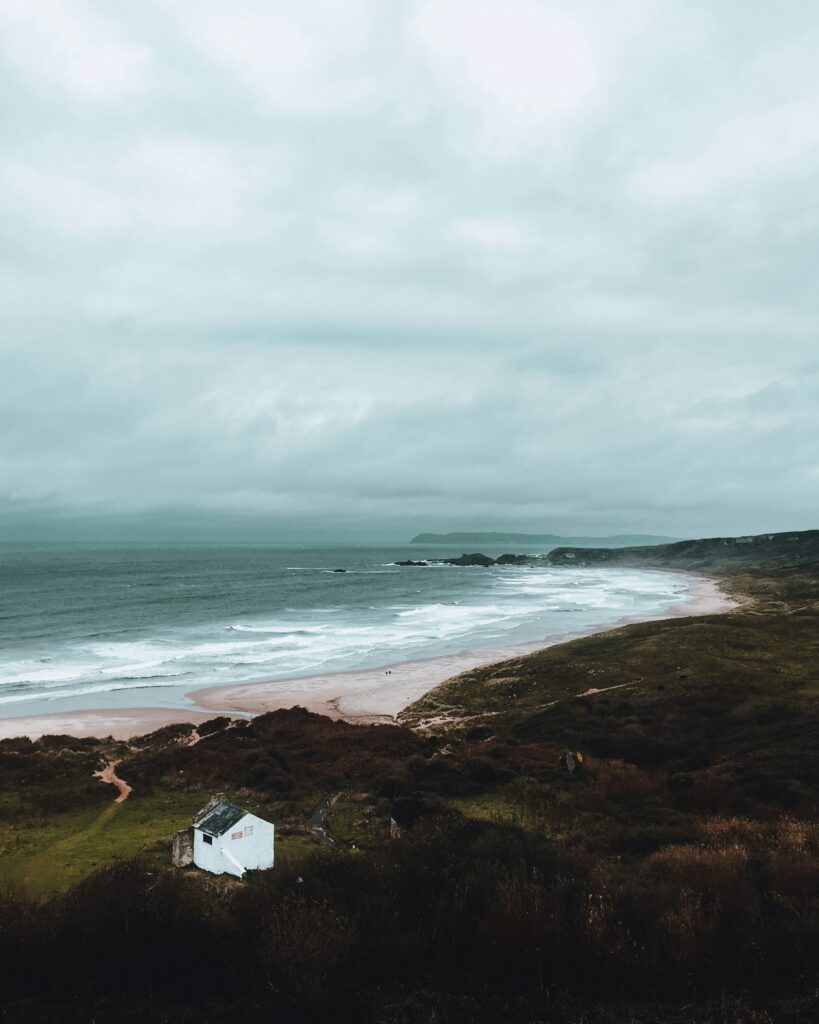
Photo by Michael Shannon on Unsplash