Britain’s mental healthcare system remains locked in crisis mode – and those on the frontline are acutely aware of it. At policy institute, Curia’s Parliamentary Mental Health Roundtable in Westminster, hosted by Cat Eccles MP (Member of the All Party Parliamentary Group on Mental Health, Chair of the All Party Parliamentary Group for Healthcare Workers, and MP for Stourbridge) and chaired by the Rt Hon Andrew Stephenson CBE (Chair of Curia’s Health, Care and Life Sciences Research Group and former Minister of State for Health), MPs, clinicians, system leaders and independent providers came together to address a simple but urgent question: how can the system move from crisis management to a genuinely recovery focused, joined up model that works for patients, staff and communities alike?
The implementation gap
Group Medical Director at Cygnet Health Care, Dr Jon Van Niekerk, opened the discussion with a speech outlining fundamental shortcomings in the current mental healthcare system. Patients, he argued, are not only “struggling to get into hospital when unwell” but are also “struggling to get out when better”.
An implementation gap persists, he said, “between legislation and actual experience”, resulting in delayed discharge from mental healthcare hospitals. He explained that a significant proportion of mental healthcare beds are occupied by patients who are medically fit for discharge but unable to leave due to failures elsewhere in the system.
The role of independent sector providers
Dr Van Niekerk argued that these problems stem from a broader pattern within UK healthcare of moving “too fast and too far”. Speaking from the perspective of the independent sector, he stressed that independent and voluntary providers are integral to the system.
“The issue isn’t NHS versus independent or voluntary providers,” he said. “It’s about how they are working together.” He argued that all parts of the system should be treated as partners within a single, integrated framework.
He also highlighted widespread fear in the system, insisting that fragmentation must be addressed. The solution, he argued, lies in connection: “connection will be the antidote to fear”.
Honest conversation and collaboration
Chief Executive Officer of Essex Partnership University NHS Foundation Trust, Paul Scott echoed these points, calling for “honest conversation, better partnerships, and a clearer understanding of the consequences of failing to support neurodivergent people”.
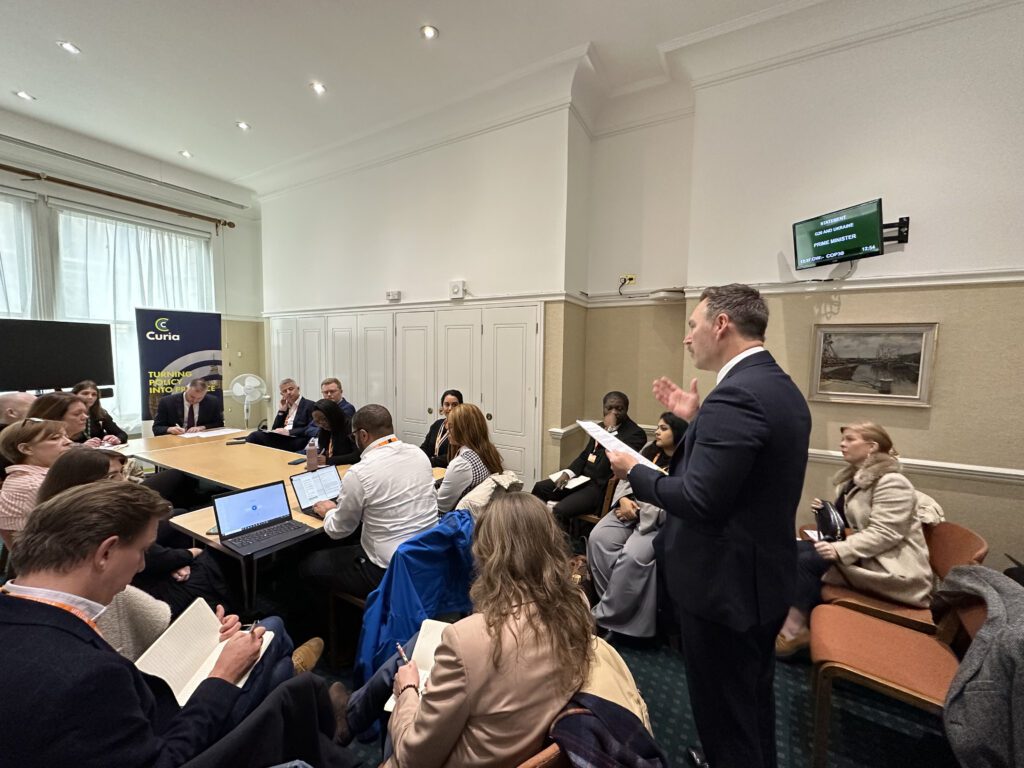
MP for Cannock Chase, Josh Newbury reinforced the urgency of integration, stressing the scale of the mental health crisis and arguing that collaboration across integrated care systems is essential to improving access to appropriate, means tested mental healthcare support. Vice Chair for the Independent Mental Health Act Review, Steve Gilbert OBE reflected on the same themes, drawing on personal experience to underline the importance of joining up the multiple systems involved in acute mental healthcare.
Scott’s emphasis on “betterment” – a commitment to sustained improvement rather than short term fixes – ran throughout the discussion. As Thalamos Client Director, Zoe Seager noted, “there is so much that needs to be done across mental healthcare; what we do now must help current patients, not only focus on future prevention”.
The roundtable’s aims
The roundtable built on Curia’s report Integration, Investment, and Impact: The Call to Transform Mental Health and Social Care, exploring how the ambitions of the Mental Health Bill can be translated into real improvements in patient outcomes, service delivery and workforce sustainability.
Participants reflected on the need to move away from reactive crisis intervention towards long term, recovery led models of care, supported by modernised pathways, community-based services and responsible digital innovation across the mental healthcare sector.
The discussion aimed to generate clear, actionable recommendations for Curia’s forthcoming report while strengthening collaboration across sectors. Contributors highlighted the importance of empowering patients, supporting a resilient workforce and addressing regional variation to ensure reforms deliver lasting and equitable improvements nationwide.
Final reflections from Cat Eccles MP
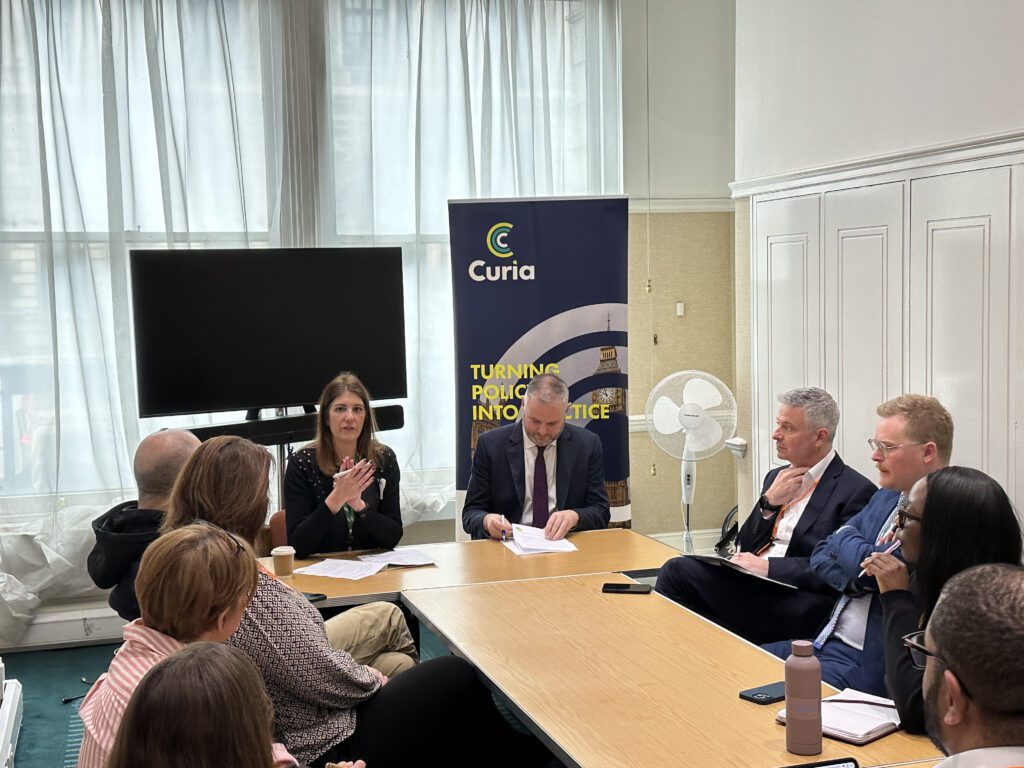
Closing the discussion, Eccles described the drive to improve mental healthcare as “an opportunity, not a challenge”. She returned to Dr Van Niekerk’s central message, urging the system to focus on “building relationships – not working in silos”.
Drawing on her previous experience as a healthcare professional working in operating theatres, she spoke candidly about the “frustrating shortcomings” of current provision. Despite this, she emphasised that there is real reason for optimism. Her team, she explained, is exploring the use of digital tools to support people while they wait for care, which, alongside careful management of the risks associated with artificial intelligence, could transform mental health treatment, understanding and delivery.
To find out more about Curia’s Health, Care, and Life Sciences Research Group, contact Partnerships Director, Ben McDermott at ben.mcdermott@chamberuk.com