
Despite a fragile seven weeks marked by sporadic violence, including the tragic shooting of two Palestinian children just days ago, the ceasefire between Israel and Hamas is not only holding but appearing to advance to its critical next phase.
On Wednesday, the focus shifted to the “final hurdle” preventing the implementation of a broader peace architecture: the return of the last hostages held in Gaza. As Hamas prepares to hand over the body of a captive this evening, diplomats are optimistic that this move will trigger the long-awaited reopening of the Rafah crossing, signalling a shift from active conflict to stabilisation.
While the ceasefire has been undeniably fragile, punctuated by a deadly incident earlier this week involving the deaths of two Palestinian children in the Zeitoun district, it has proven remarkably resilient. Unlike previous pauses in the two-year war, during which the Palestinian death toll has surpassed 70,000, the current framework is buttressed by a new international architecture, specifically the UN Security Council’s recent authorisation of an International Stabilisation Force (ISF), which has given mediators the leverage to keep the peace process on track.
Breaking the Stalemate
The ceasefire, which came into effect on October 10, has faced severe stress tests. The most recent flashpoint occurred earlier this week when two young Palestinians were killed by a drone strike in the Zeitoun district, an incident that in previous months might have collapsed the truce entirely. Instead, the agreement has proven resilient.
Wednesday’s developments mark a pivotal moment in the stalled negotiations. Hamas announced it would transfer the remains of a hostage from Gaza at 5:00pm local time, a move that follows Israel’s rejection on Tuesday of “forensic findings” provided by militants, which officials said were unrelated to the two missing captives – police officer Ran Givili and Thai national Sudthisak Rinthalak. Israel has made the verified identification of these remains a key precondition for any further progress.
The Next Stage: Opening the Gateway to Gaza
The immediate reward for this progress will be the opening of the Rafah border crossing, Gaza’s lifeline to Egypt and the outside world.
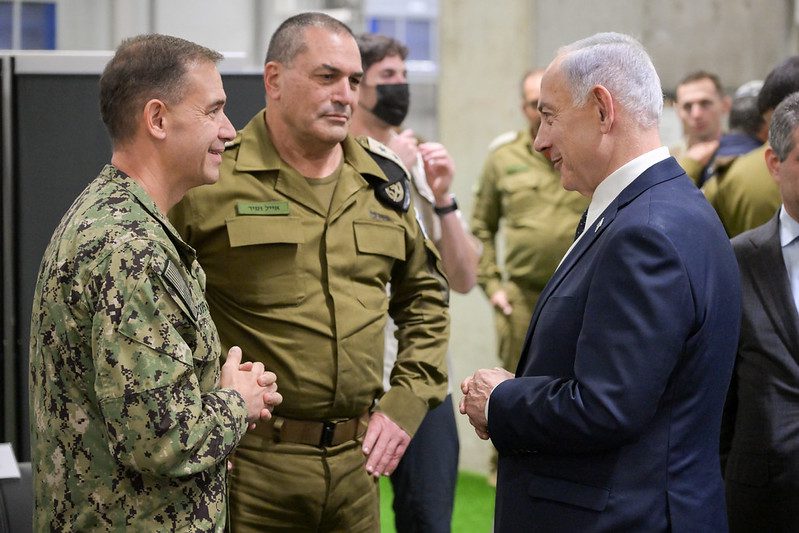
Image: Prime Minister Benjamin Netanyahu at the Civil-Military Coordination Center in Kiryat Gat – Toaf Maayan / GPO
Unlike previous ad-hoc openings, this step is part of a structured “Phase Two” plan. COGAT, the Israeli body overseeing humanitarian affairs, confirmed the opening will be coordinated with Egypt under the strict supervision of a European Union mission. This echoes the successful monitoring mechanisms of the past and is designed to ensure the crossing remains permanently open for the 16,500 patients the UN says are waiting for urgent medical treatment abroad.
How did we get here?
The endurance of the current truce is largely underpinned by the international framework established last month. Following the October 10 cessation of hostilities, the UN Security Council passed the landmark Resolution 2803, authorising the creation of an International Stabilisation (ISF).
This resolution, a key component of US President Trump’s peace plan, changed the calculus on the ground. It offered a political horizon beyond the fighting: a transition from Israeli military presence to an international police model.
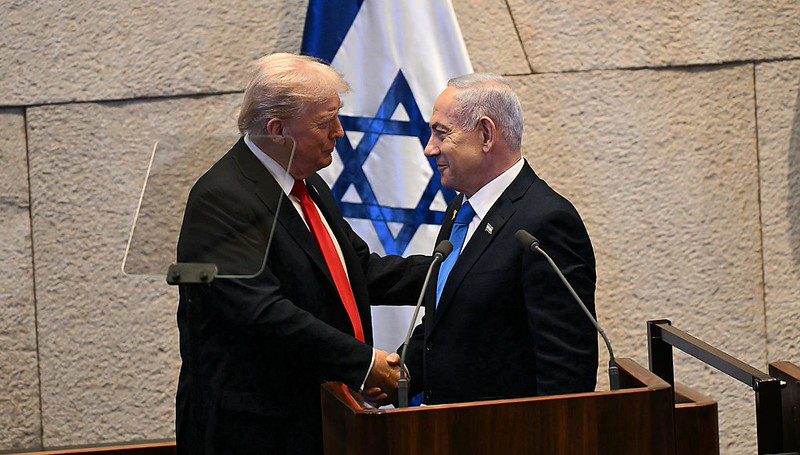
Image: Prime Minister Benjamin Netanyahu and U.S. President Donald Trump in the Knesset plenum – Zaich Haim / GPO
While the ISF has yet to deploy, its existence on paper has given mediators the leverage to keep the ceasefire intact through weeks of friction. The handover of the final hostage bodies and the opening of Rafah are the necessary prerequisites to unlock the ISF’s deployment and cement the progress made since October.
As families across Israel wait for closure on the final hostages, and families in Gaza wait for the border gates to open, the region stands on the precipice of a new, albeit difficult, reality: a peace that is imperfect, often violent, but undeniably moving forward.
While the ceasefire remains undeniably fragile, underscored by a deadly incident earlier this week in which two Palestinian children were killed in the Zeitoun district, it has also proved unexpectedly resilient. Unlike previous, ad-hoc pauses in the two-year war, during which the Palestinian death toll rose above 70,000, the current truce is reinforced by a far more substantial international framework. The UN Security Council’s recent authorisation of an International Stabilisation Force (ISF) has reshaped the landscape: it provides a credible deterrent against a full-scale collapse and equips international mediators with the political leverage needed to keep an often fraught peace process on course, even during moments of acute tension
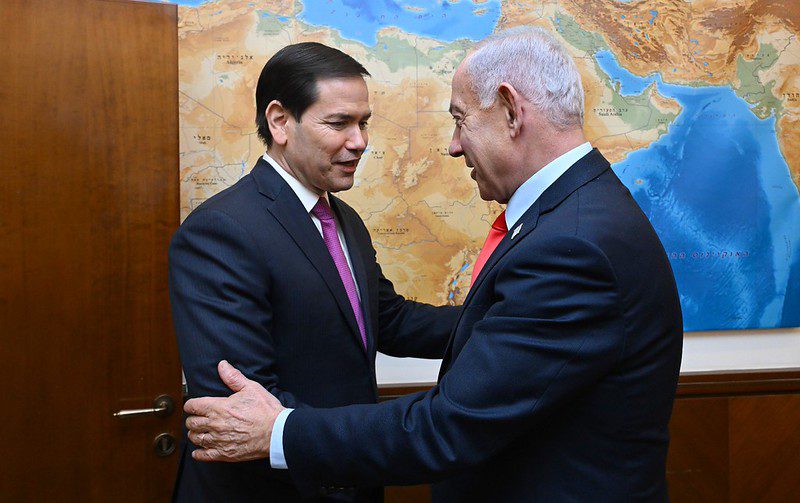
Featured Image via Prime Minister of Israel – Zaich Haim / GPO