

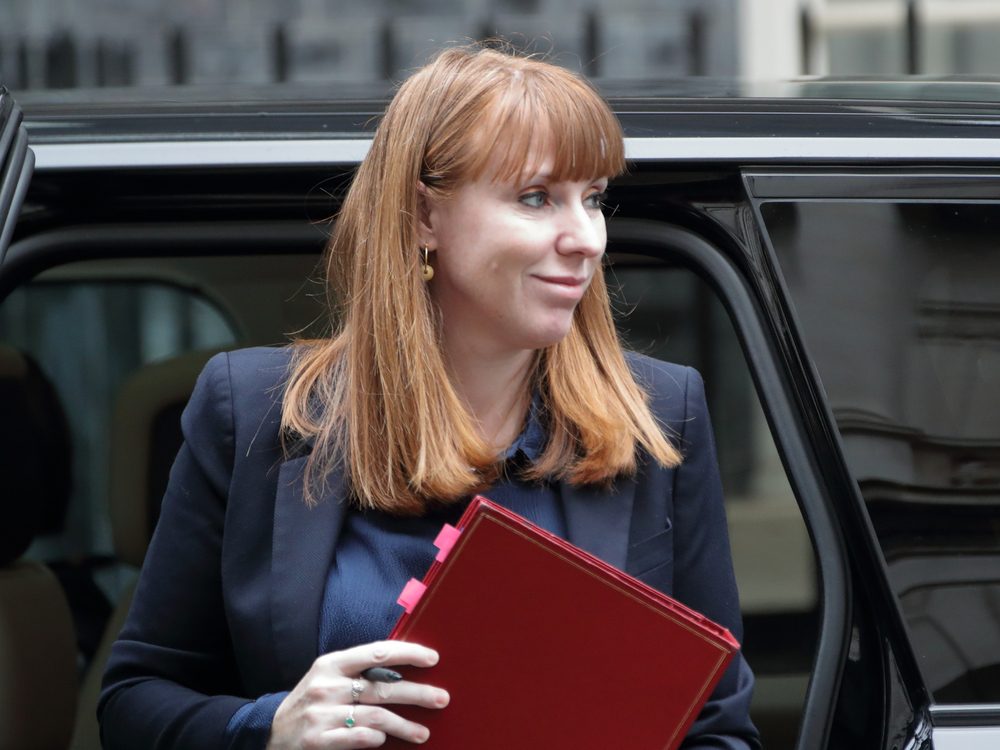
Deputy Prime Minister Angela Rayner is facing questions after purchasing a seaside flat in Hove.
The outrage comes after councils gained powers in April to charge up to a one hundred per cent premium on second homes, beginning a “war” on holiday homes.
Her office rebuts claims that the Deputy PM is dodging her own tax, saying she pays full council tax in Greater Manchester and the second-home premium on the new Hove property.
The Hove flat, reported to have been bought for a little over £700,000, adds to Ms Rayner’s constituency home in Ashton-under-Lyne and a grace-and-favour apartment at Admiralty House in Westminster.
Critics argue the optics of the housing minister with three homes during a housing crisis contradicts Labour’s push for affordable home building, while her allies stand by her saying that since she is following all the rules, there is no issue.
A Commons Library explainer, published in April, sets out how the second home premium works, and the limited exemptions that may apply. It also notes that councils had to make determinations one year in advance to introduce the charge in 2025. Several have done so, including Brighton and Hove.
Opposition figures, including Sir James Cleverly, have pressed for clarity on Ms Rayner’s council tax status and residence declarations following the Hove purchase.
Supporters counter that the second-home premium power was legislated before Labour took office and that Ms Rayner’s arrangements comply with the rules. The Times and other outlets report that the Cabinet Office handles council tax for the Admiralty House flat, as is standard for ministers.
Beyond property questions, official transparency data provides a record of Ms Rayner’s ministerial expenditure since taking office in July last year. The Ministry of Housing, Communities and Local Government’s travel return for January to March shows an overseas trip to Ethiopia and Ghana in February totalling £7,531.80 in travel costs, £141 in associated costs, £7,672.80 in total.
There has been wider media scrutiny of ministerial spending, including foreign travel travel, with a primary focus on on whether ministers’ overseas visits align with their briefs and pledges.
Reporting around Ms Rayner’s Africa trip captured that debate, while the departmental CSV sets out the costs and purpose. As with all such returns, totals are modest compared with wider departmental spending but form part of the transparency regime.
The Cabinet Office’s March list of ministerial responsibilities confirms Ms Rayner’s roles as Deputy Prime Minister and Secretary of State for Housing, Communities and Local Government, providing the frame for judging her portfolio and obligations.
That backdrop explains why her personal housing arrangements attract attention, but the available records show declared travel, gifts and hospitality, and a stated commitment to paying the second-home premium.
Everything appears to be above board, apart from her PR team, who are still scrambling to claw the headlines back.
Featured image via repic / Shutterstock.